From concept and 3D layout to production and physical products.
BUILDING A NEW CAPABILITY
In 2019, I joined Floatie Kings as a product designer to help establish the company’s 3D layout department.
At the time, the company already had an established range of inflatable products based on existing factory designs. The challenge was to expand its ability to develop custom products – products that did not already exist in the factory’s catalog.
This required more than creating a convincing 3D visualization. A new workflow was needed to translate the client’s idea into clear production information that could be understood and reproduced by the factory.
Role
3D Production Visual Development Campaing Graphics
FROM IDEA TO PRODUCTION
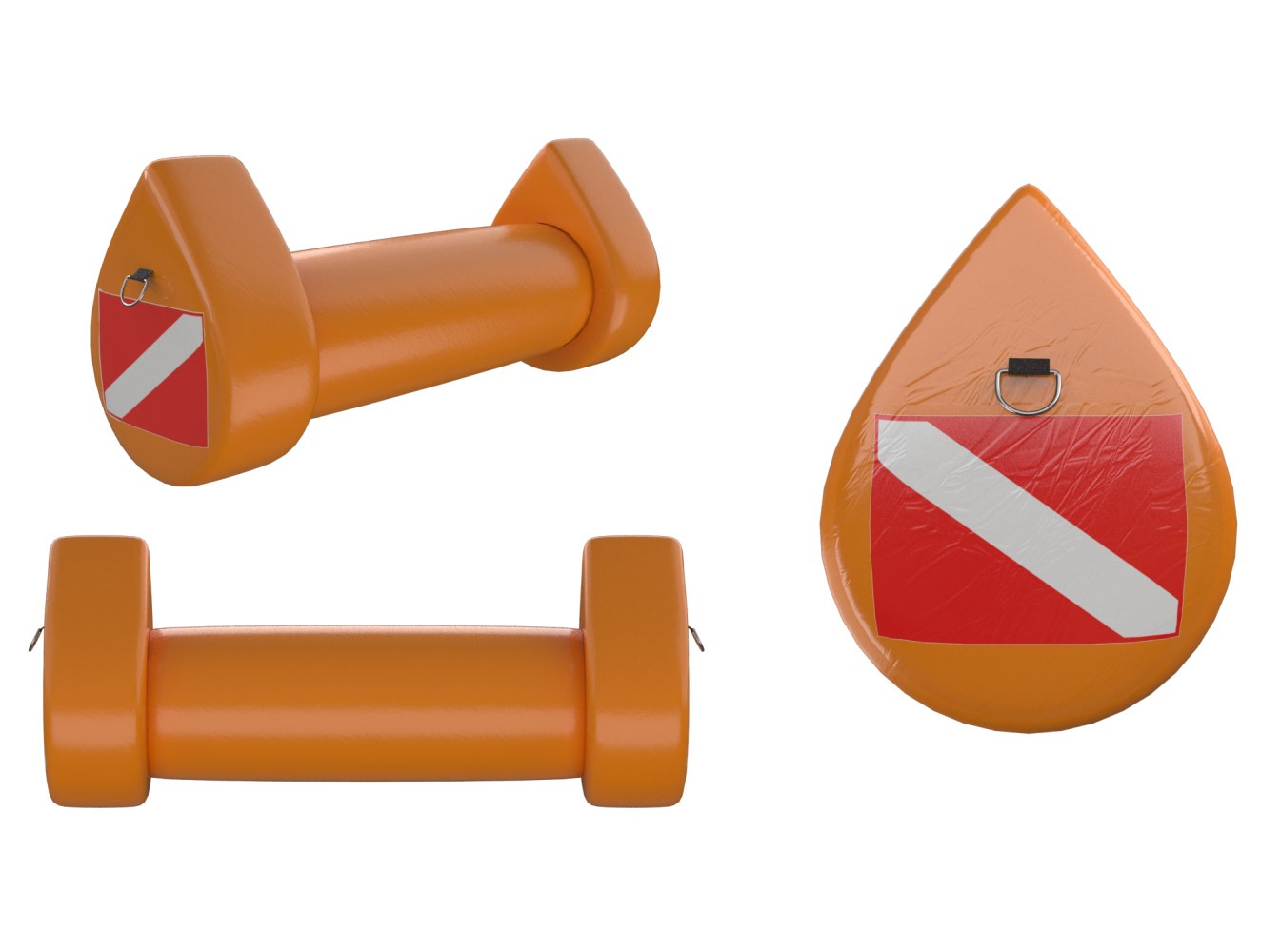
The 3D layout became the bridge between the client’s idea and the factory’s production process.
The objective was to reduce the gap between what the client approved and what was eventually manufactured.
Client Idea
Visual Development
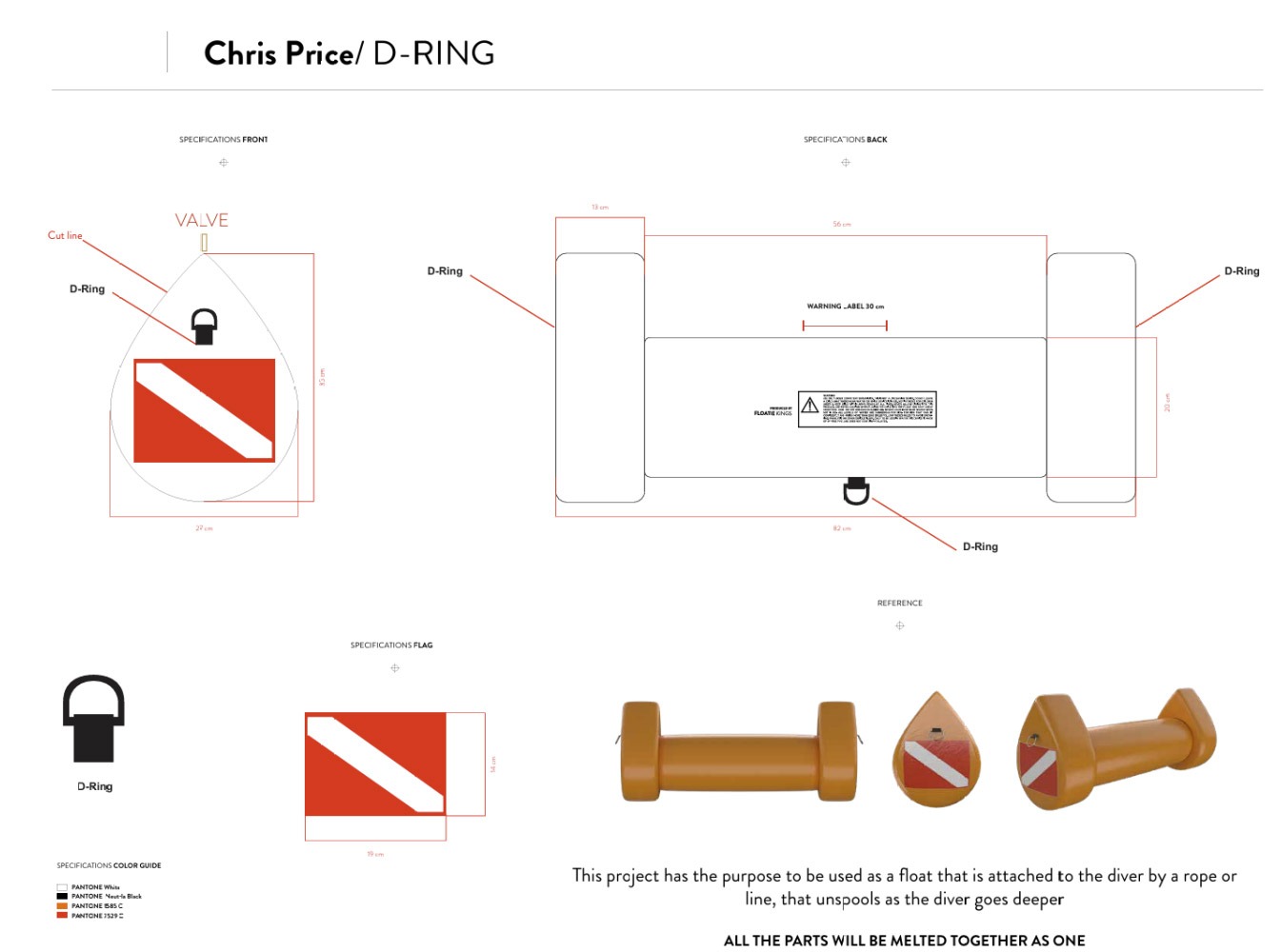
Product Documentation
Factory Sample
Feedback & Refinement
Final Product
MAKING THE IDEA FABRICABLE
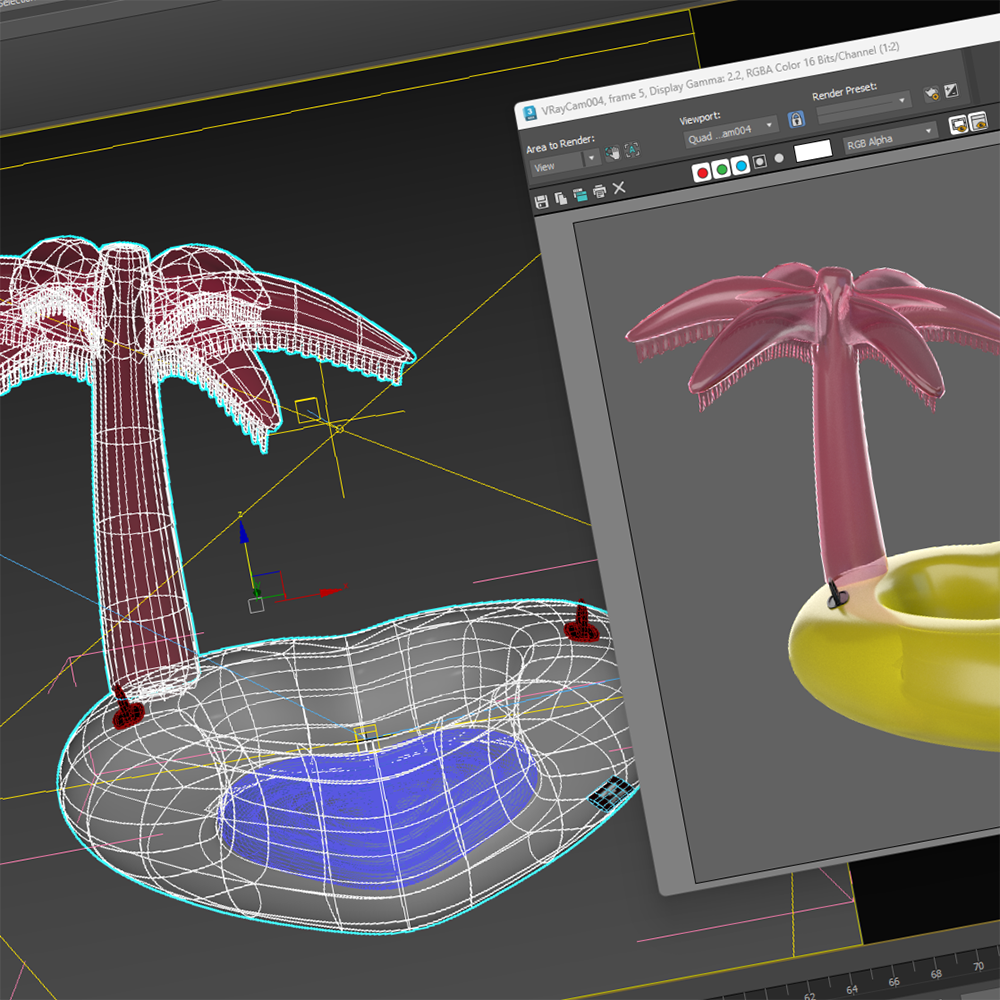
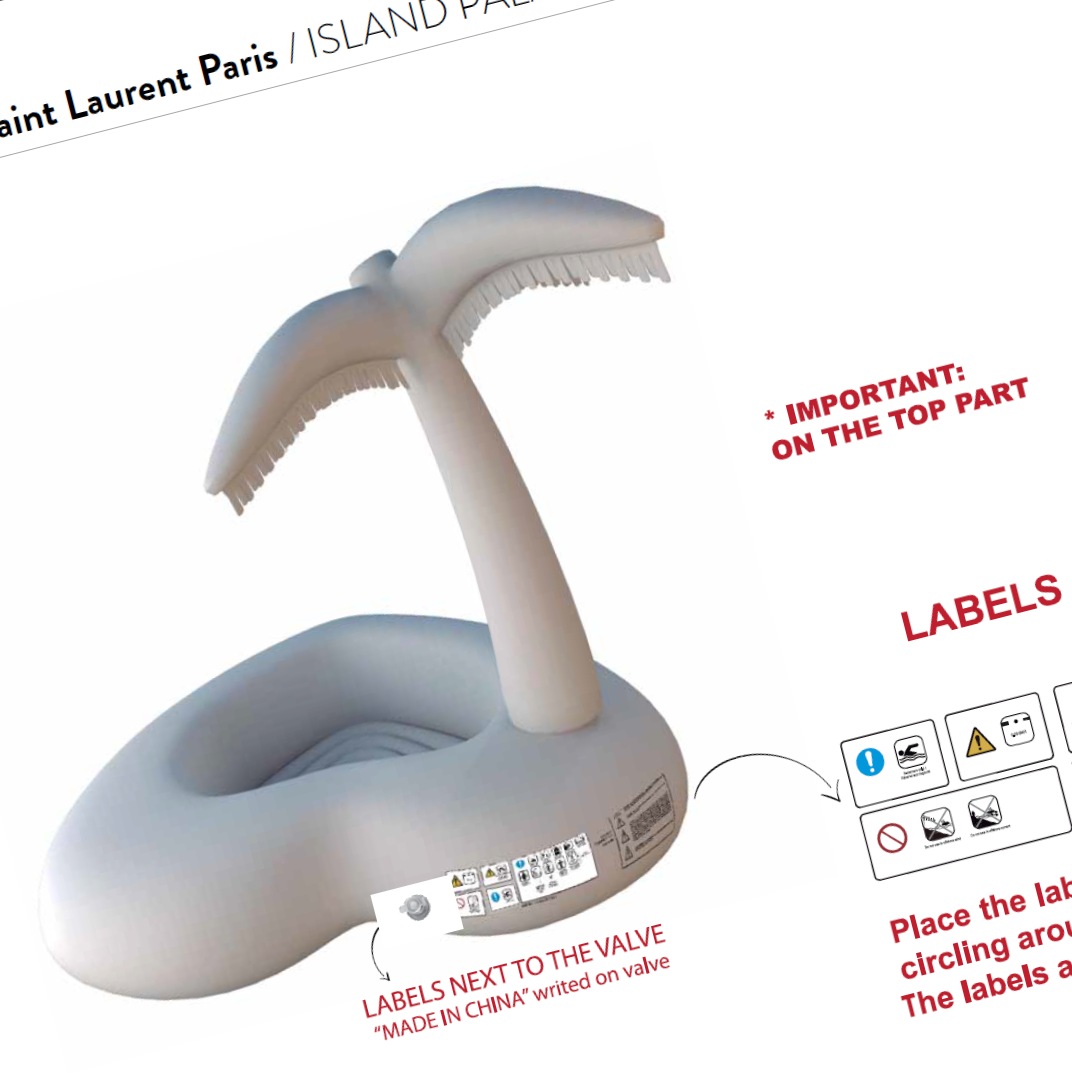
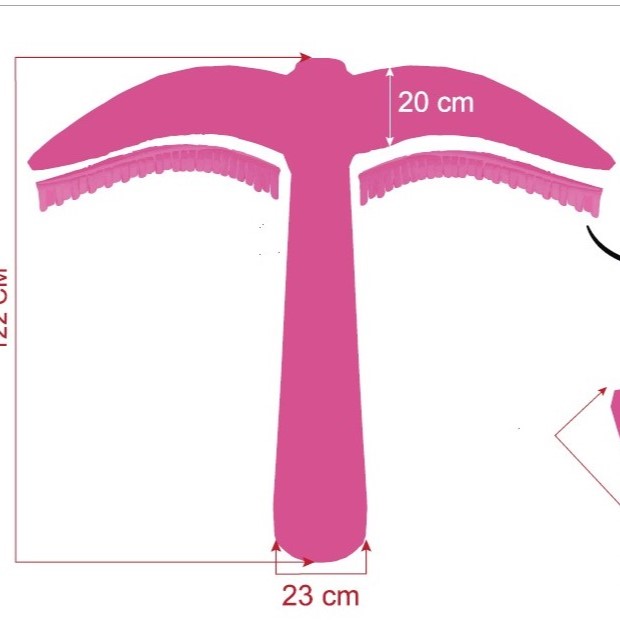
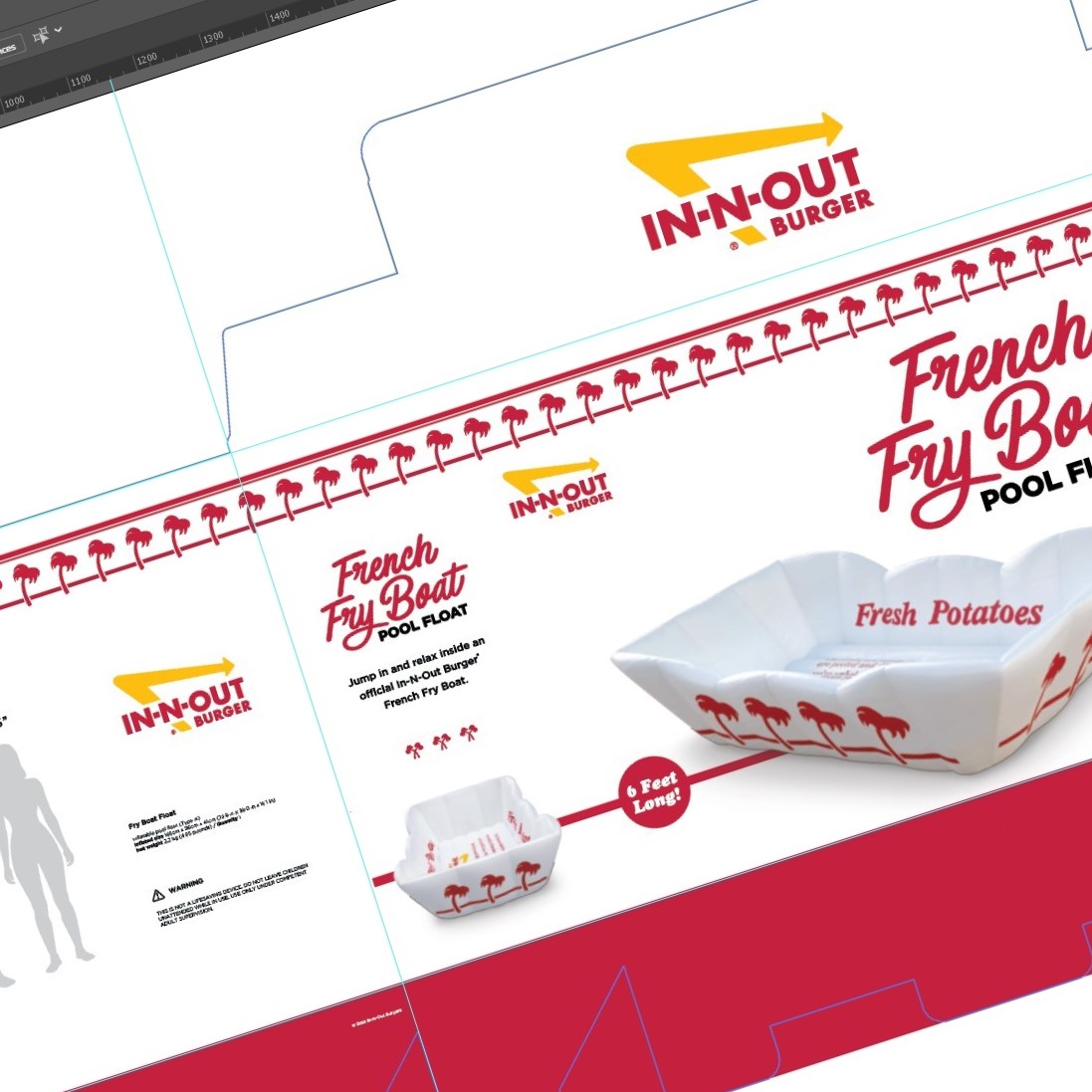
Once a concept was approved, the visual information had to be translated into a format that could guide production.
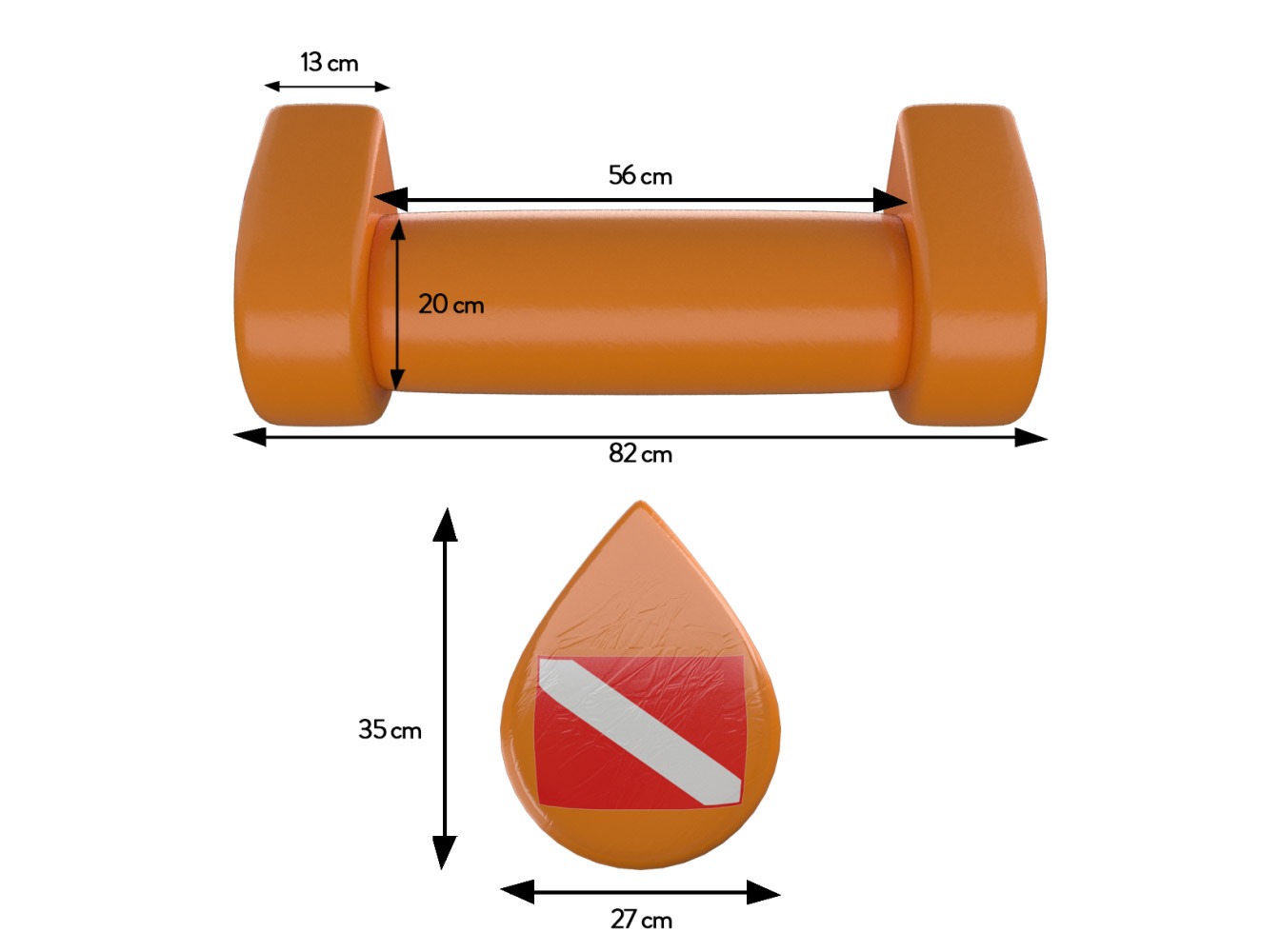
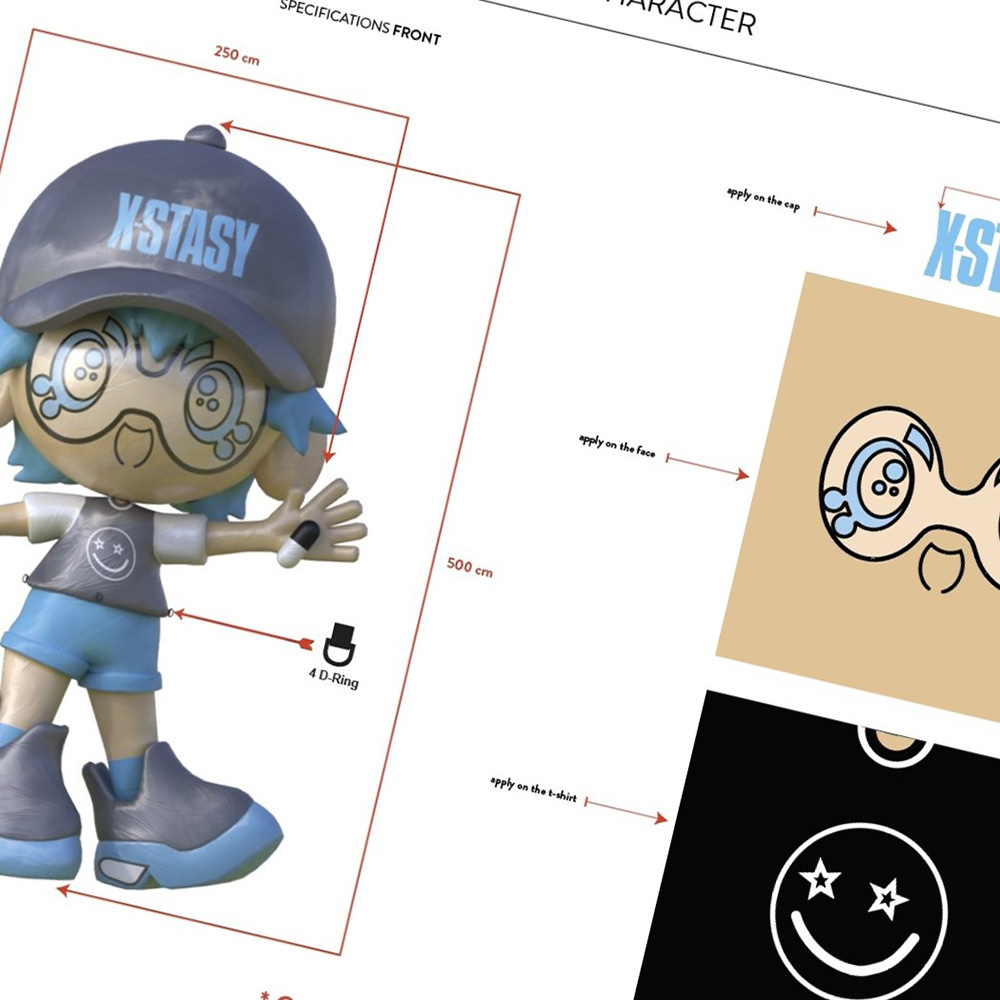
I developed the layouts and documentation needed to communicate proportions, dimensions and visual details clearly to the manufacturing team.
NOT EVERY IDEA STARTS WITH A DESIGNER
Not every custom product starts with a finished design.
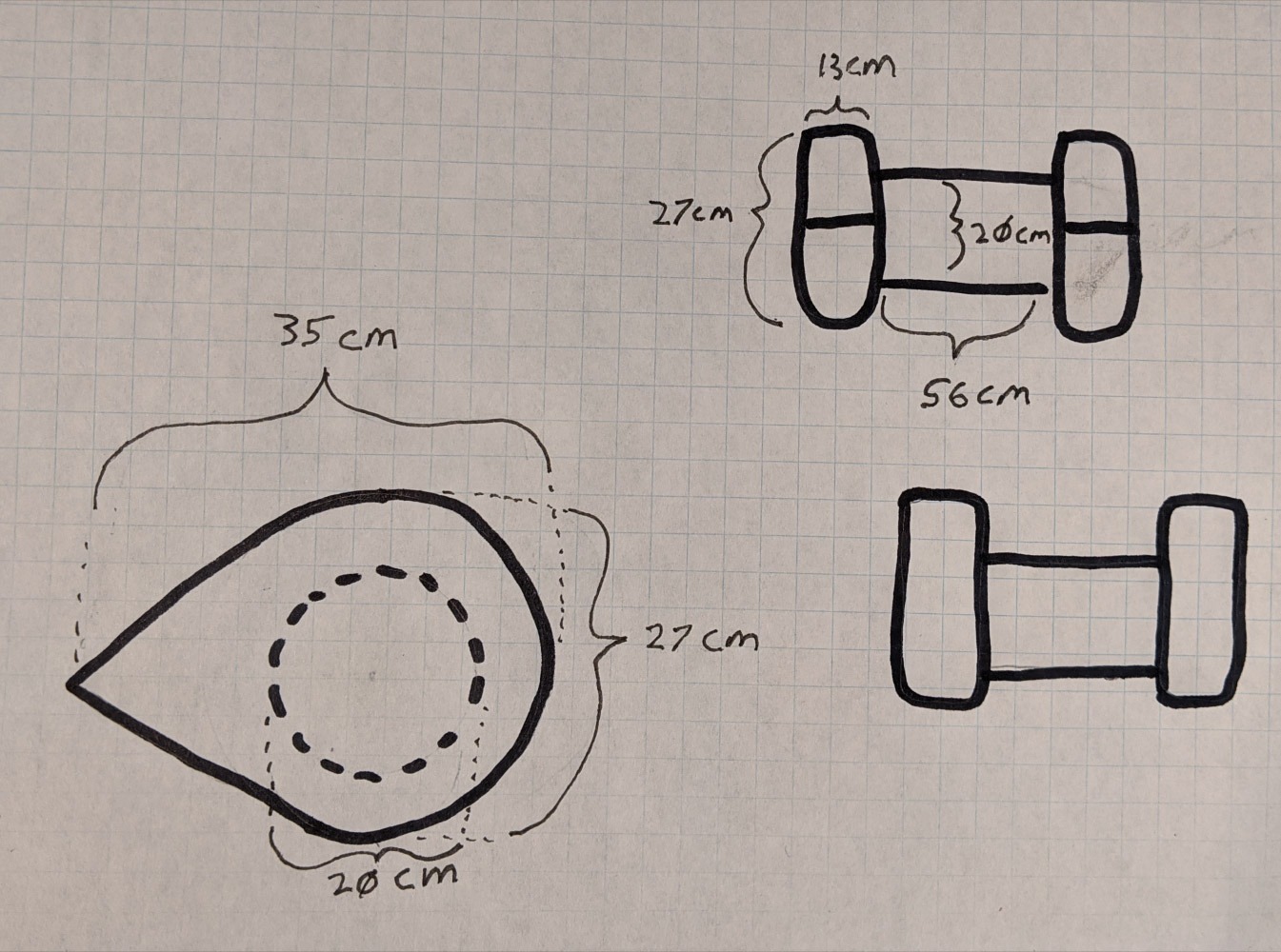
Some projects begin with a sketch, a rough idea or a simple visual reference.
The layout process turns that starting point into something that can be evaluated, refined and eventually manufactured.
The challenge is to preserve the original idea while making it work as a physical product.
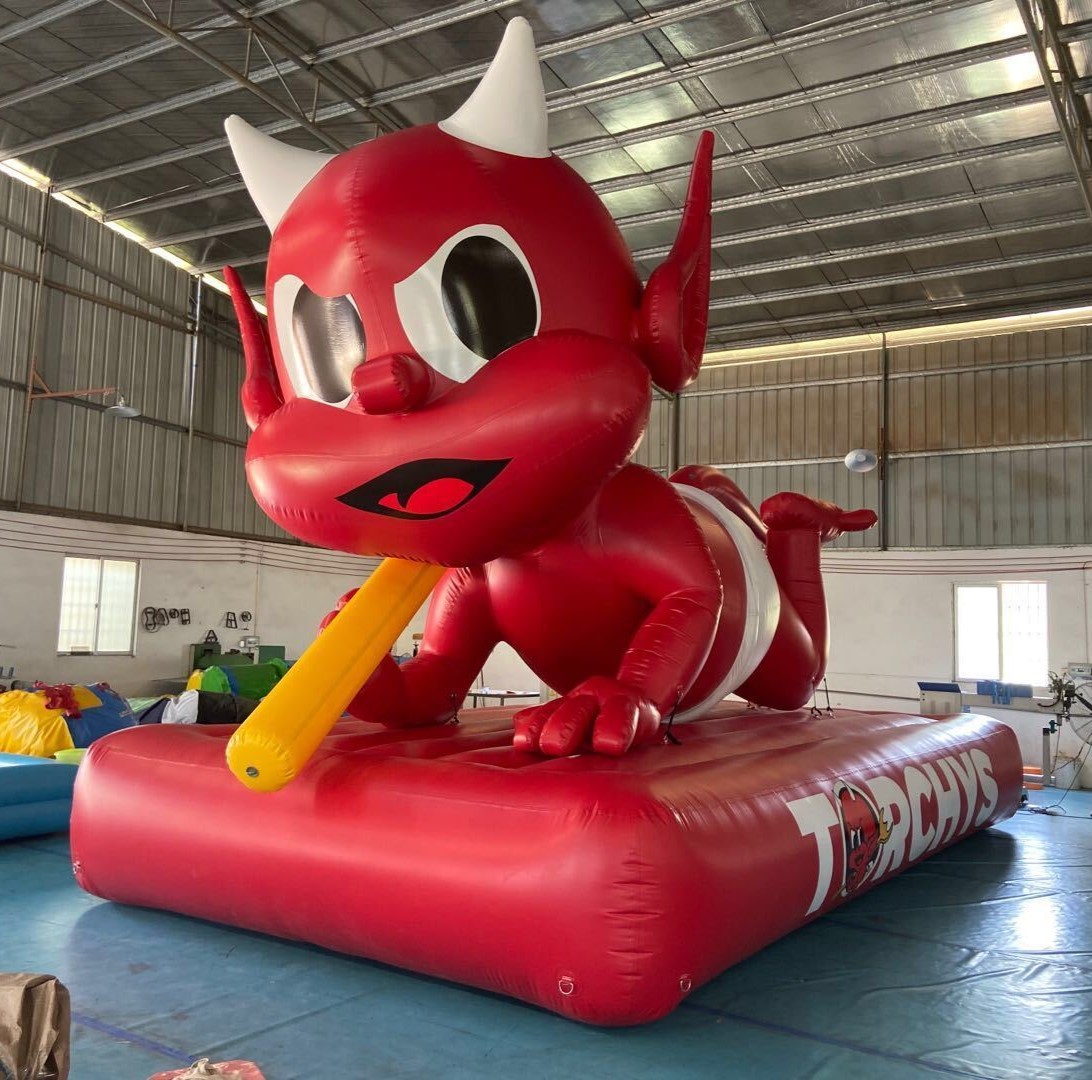
CHARACTERS & MASCOTS
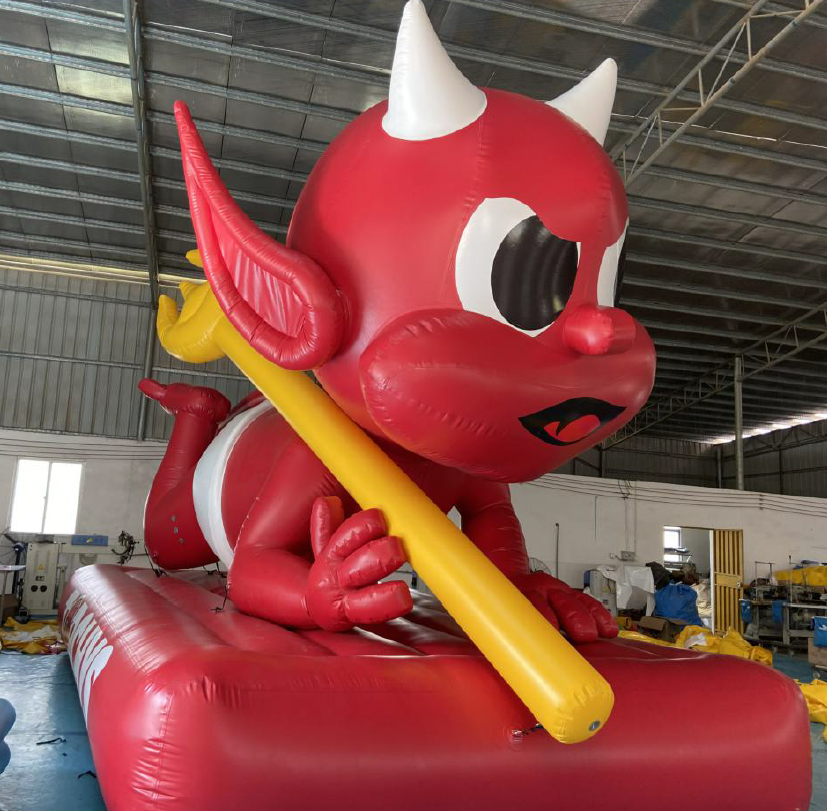
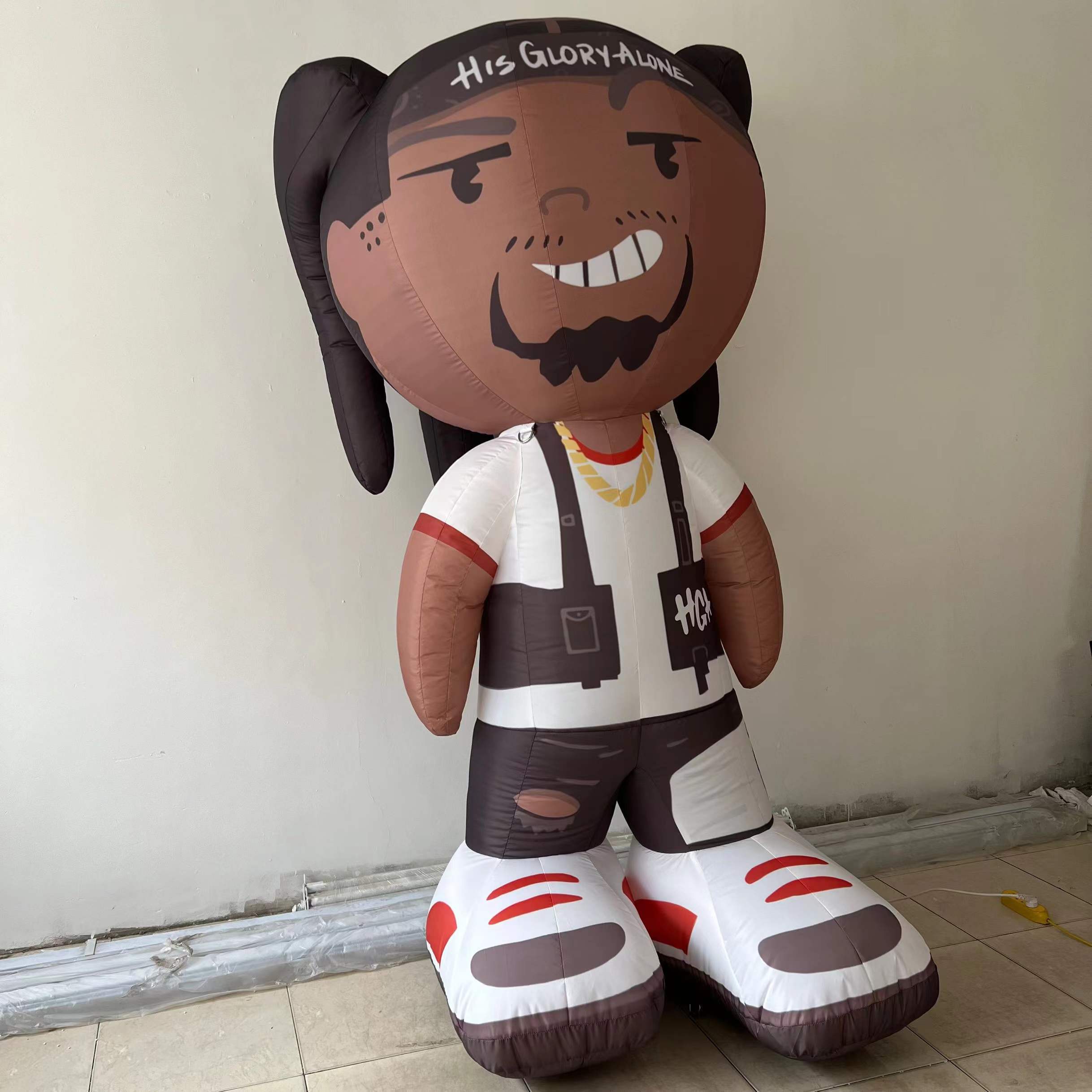
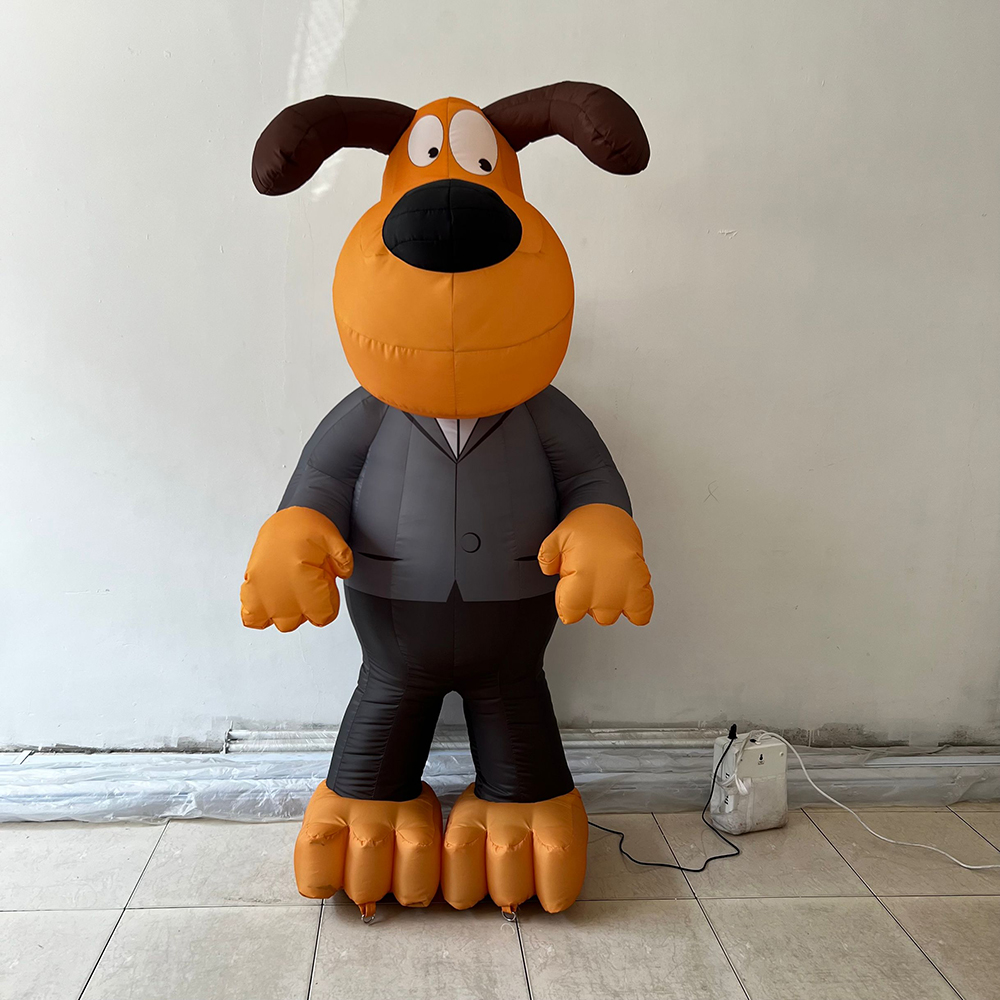
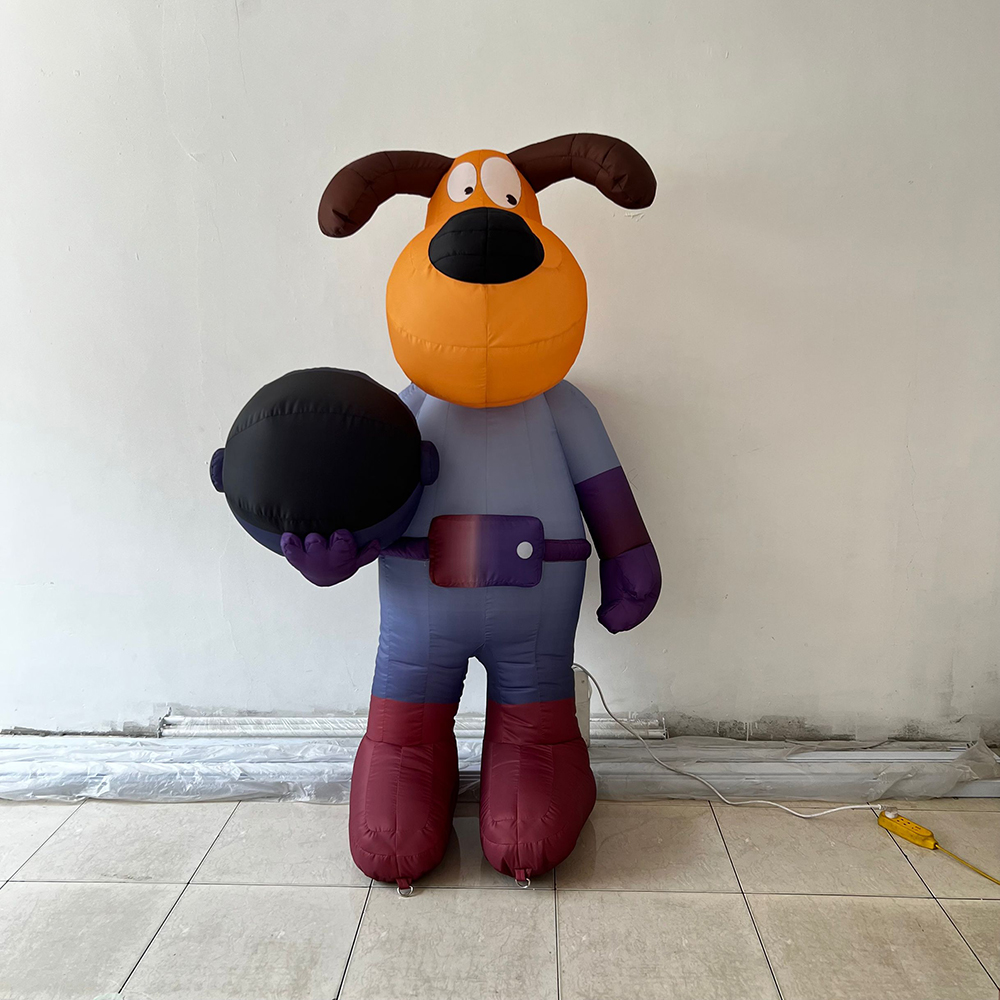
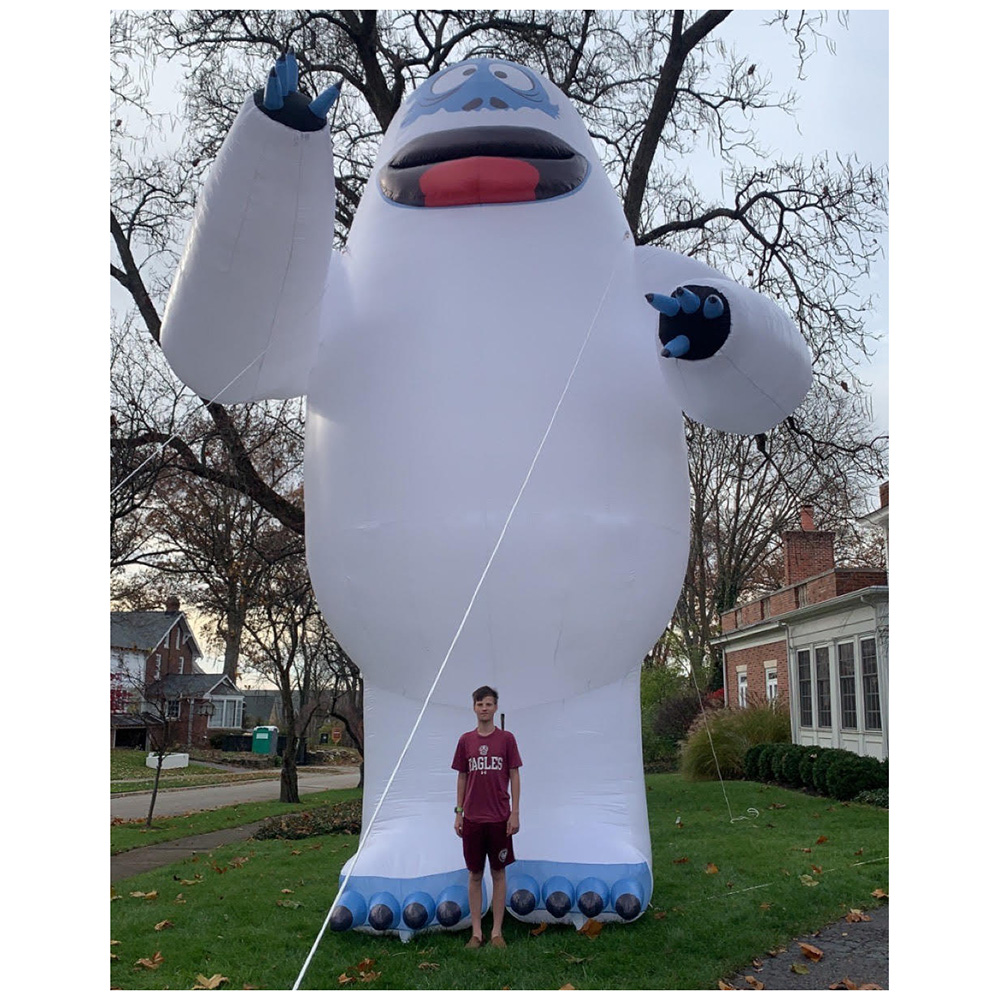
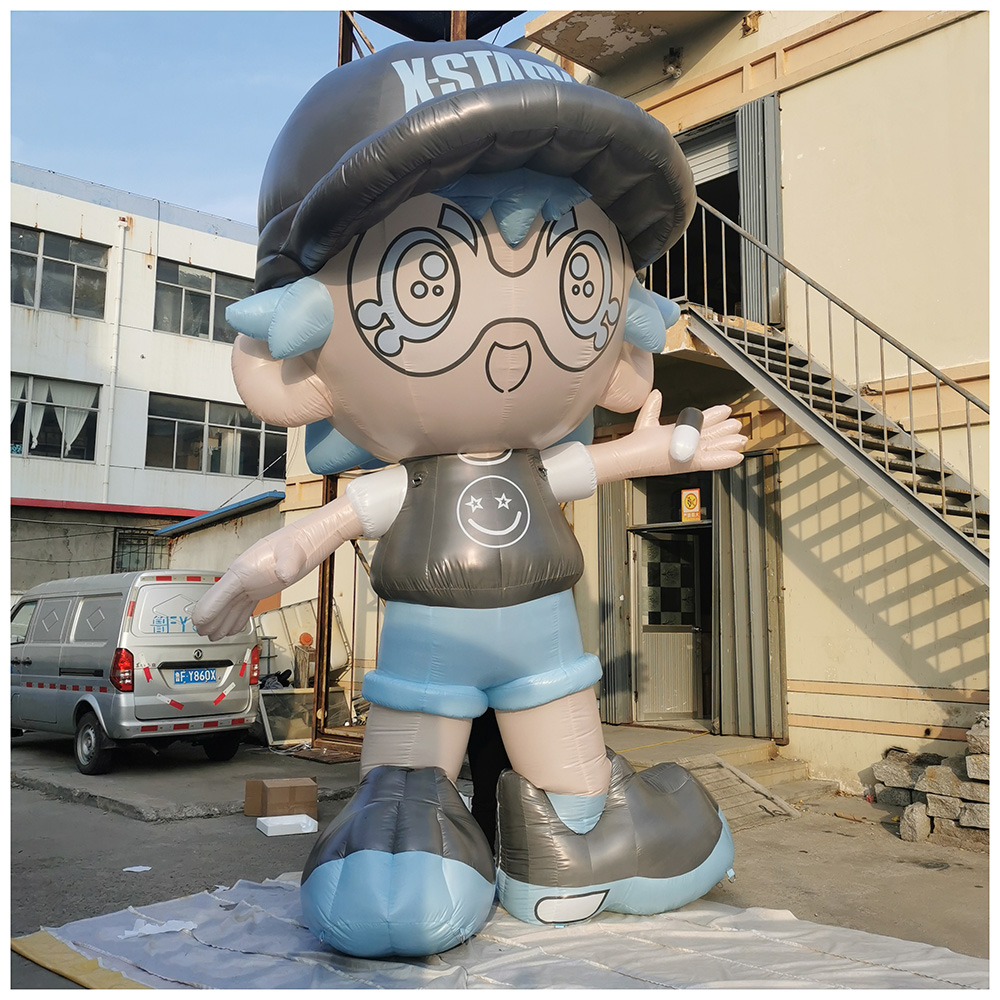
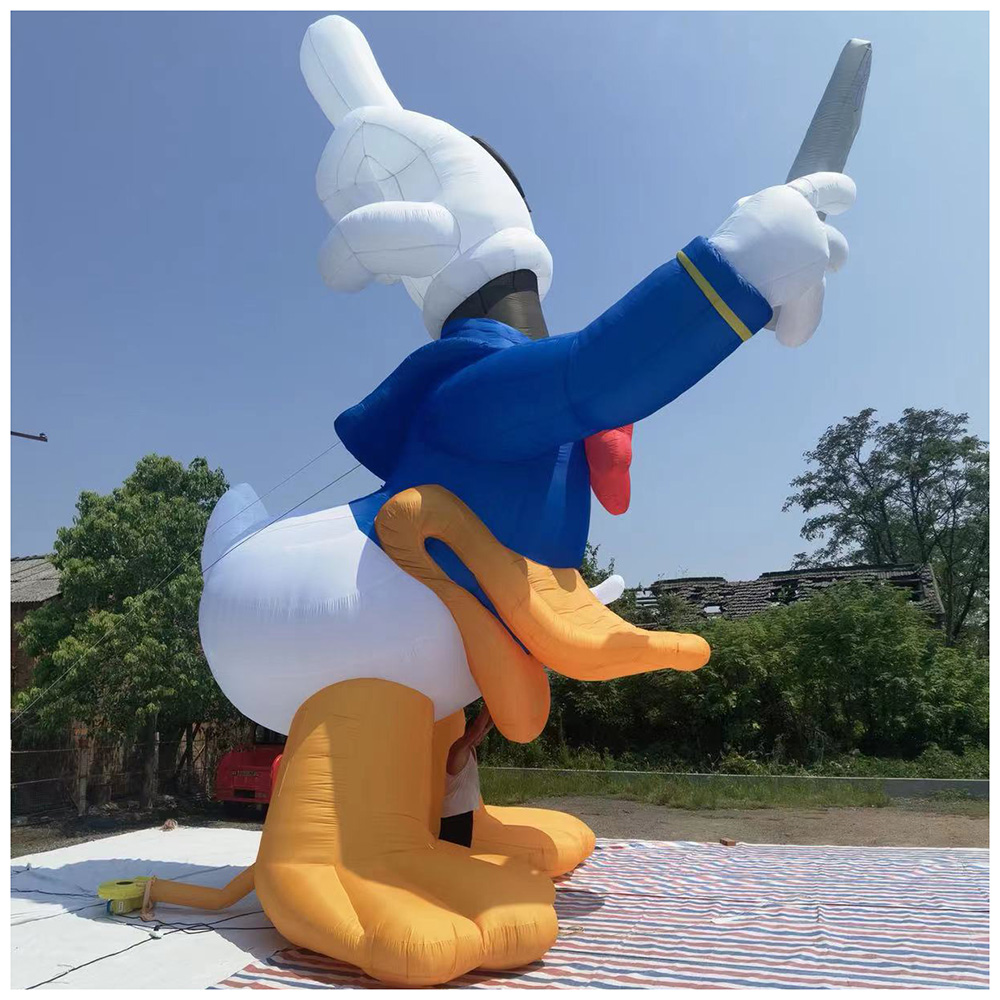
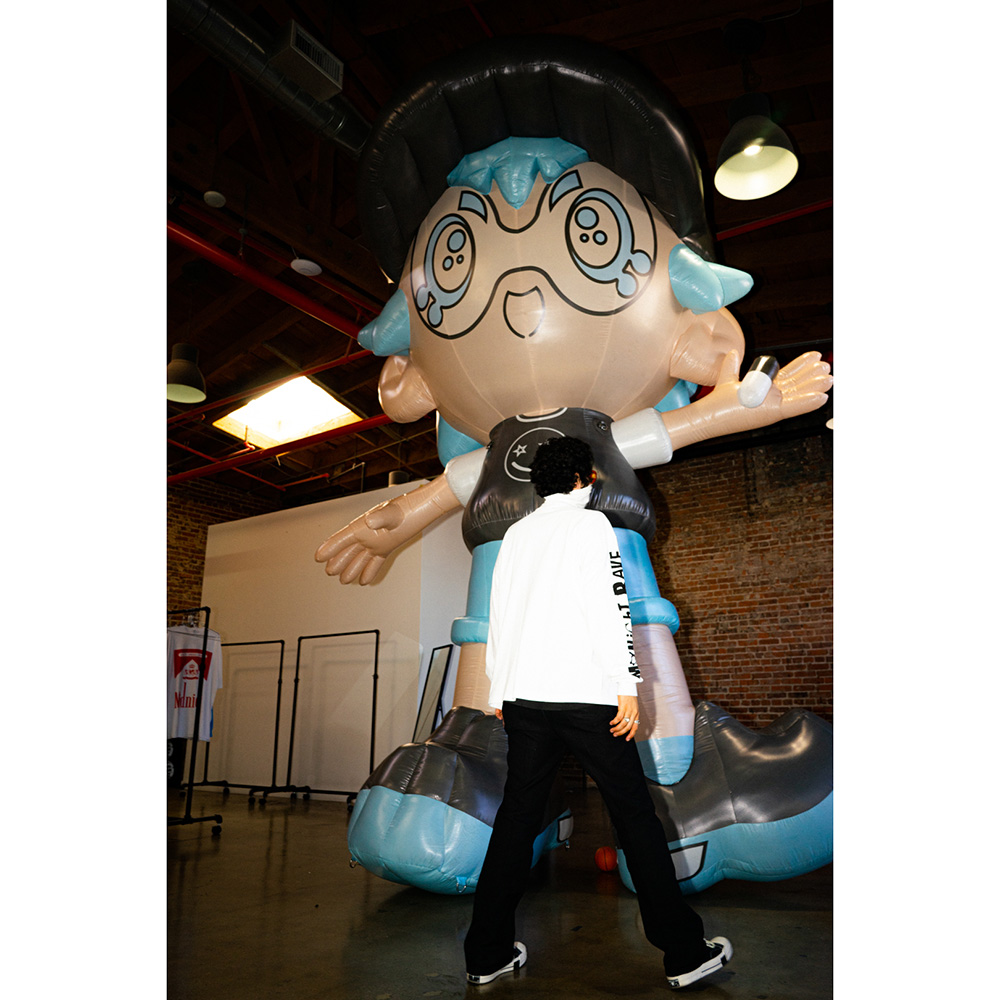
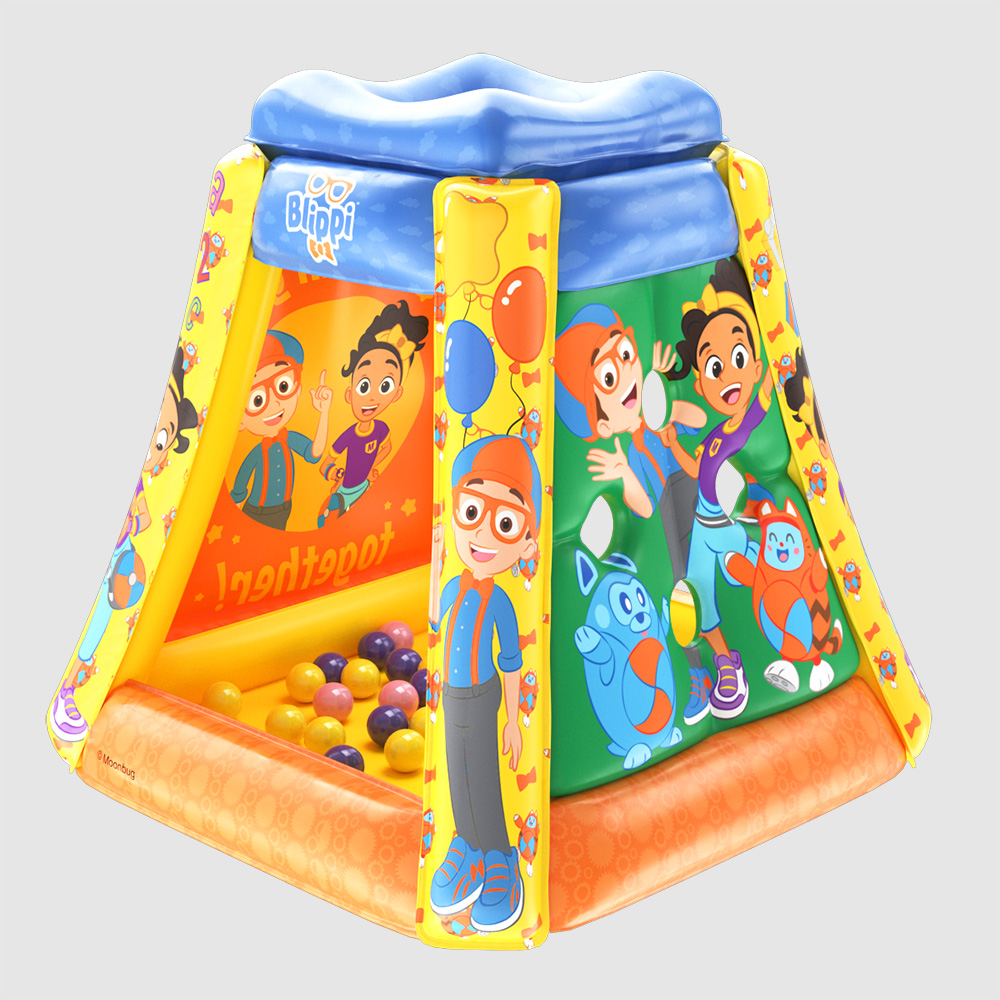
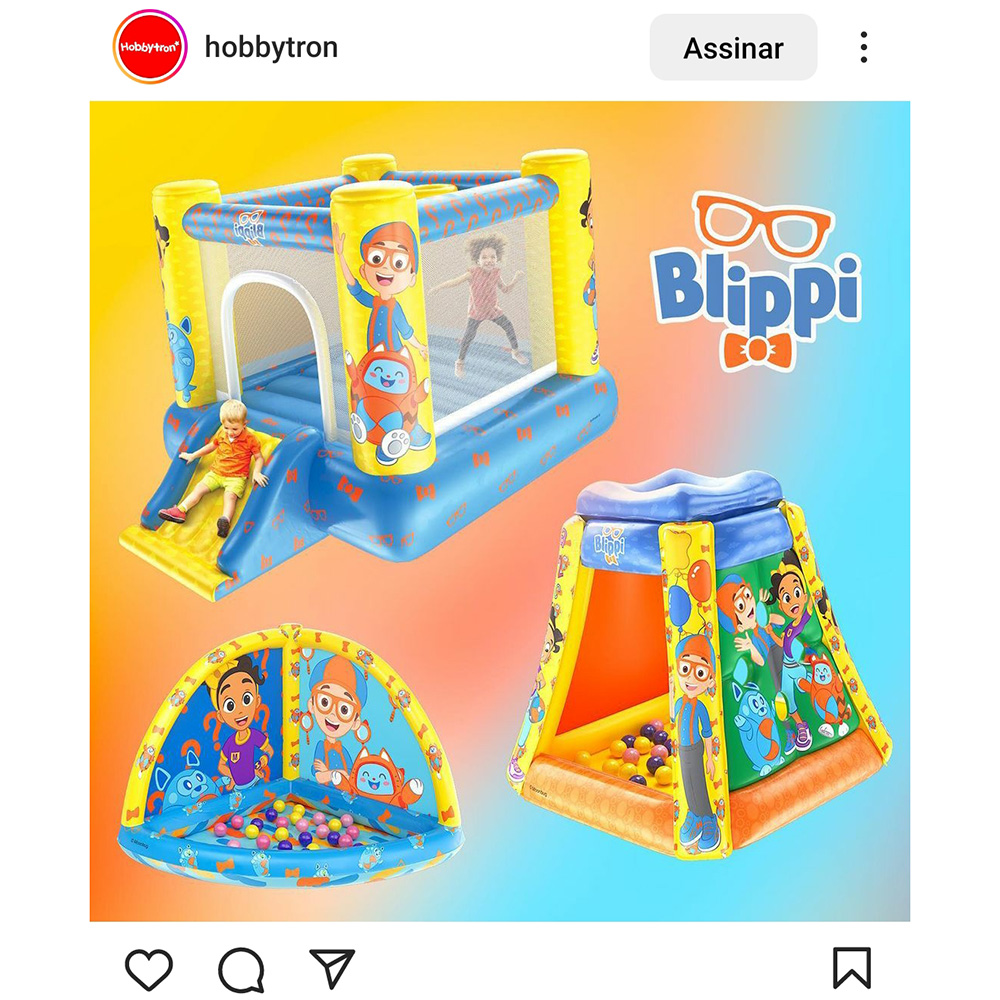
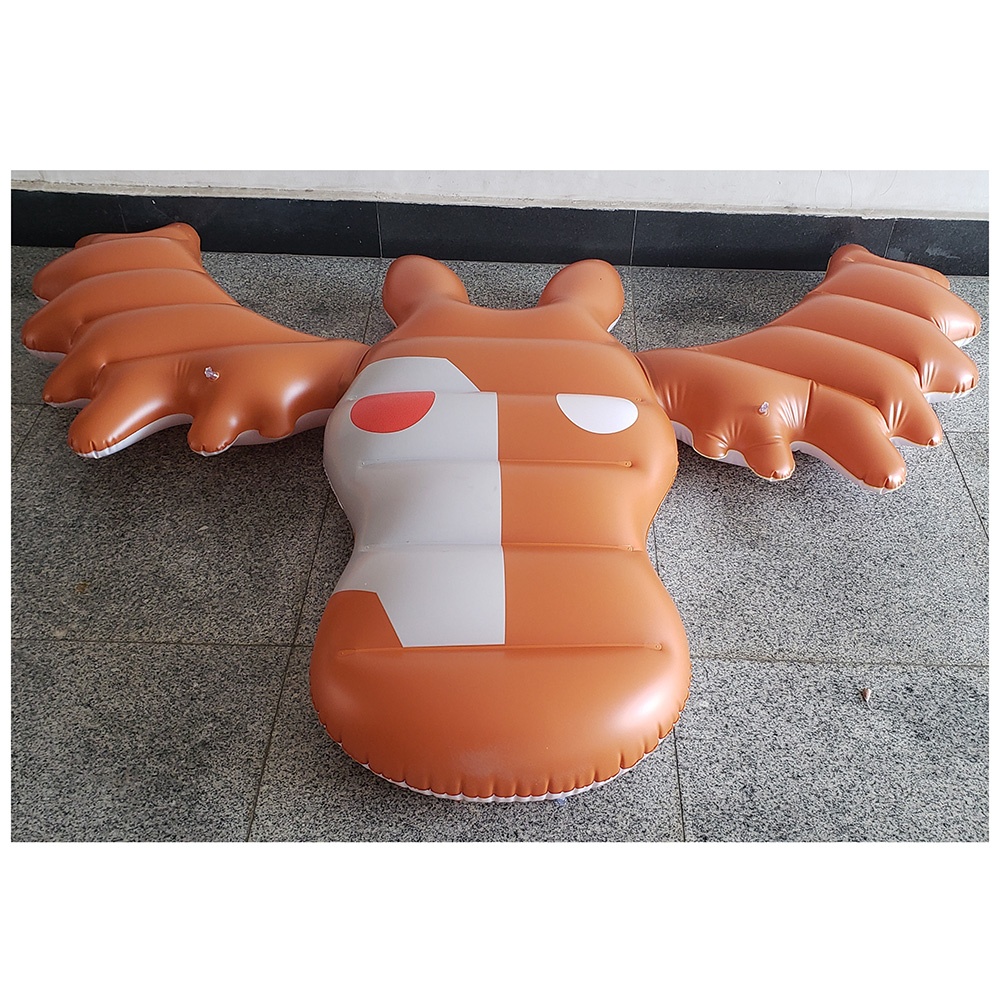
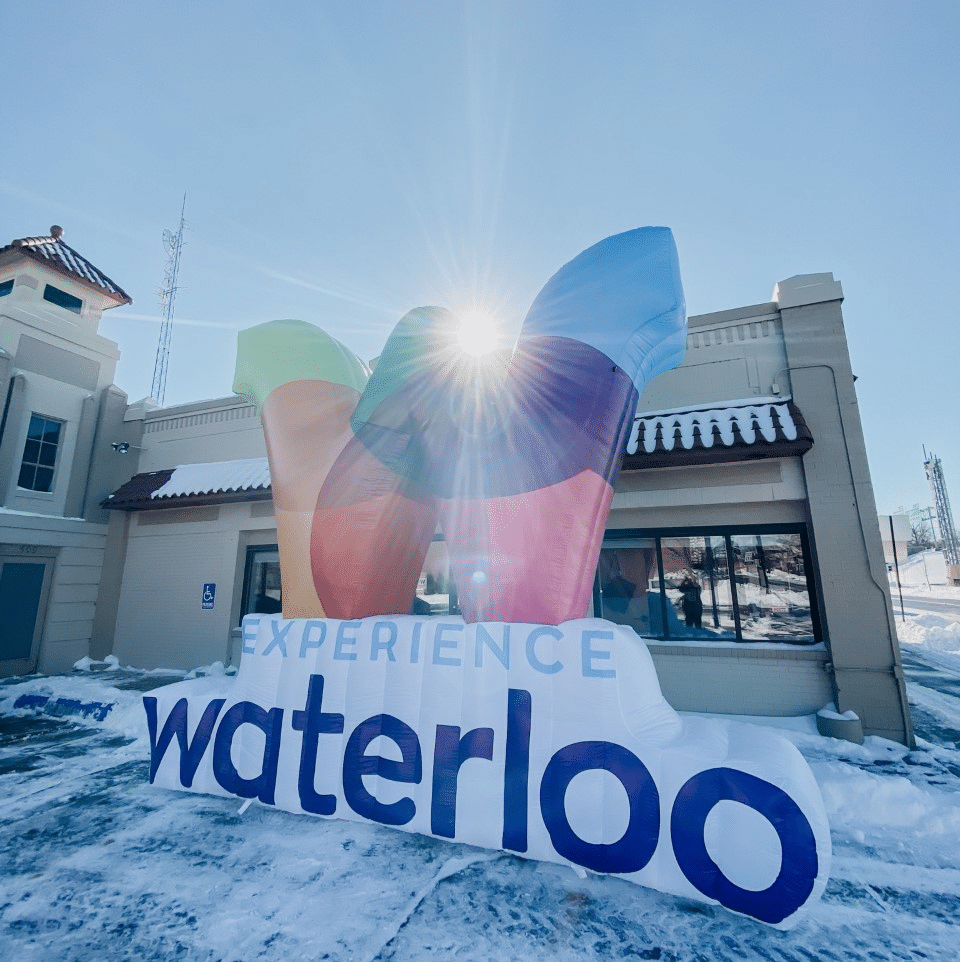
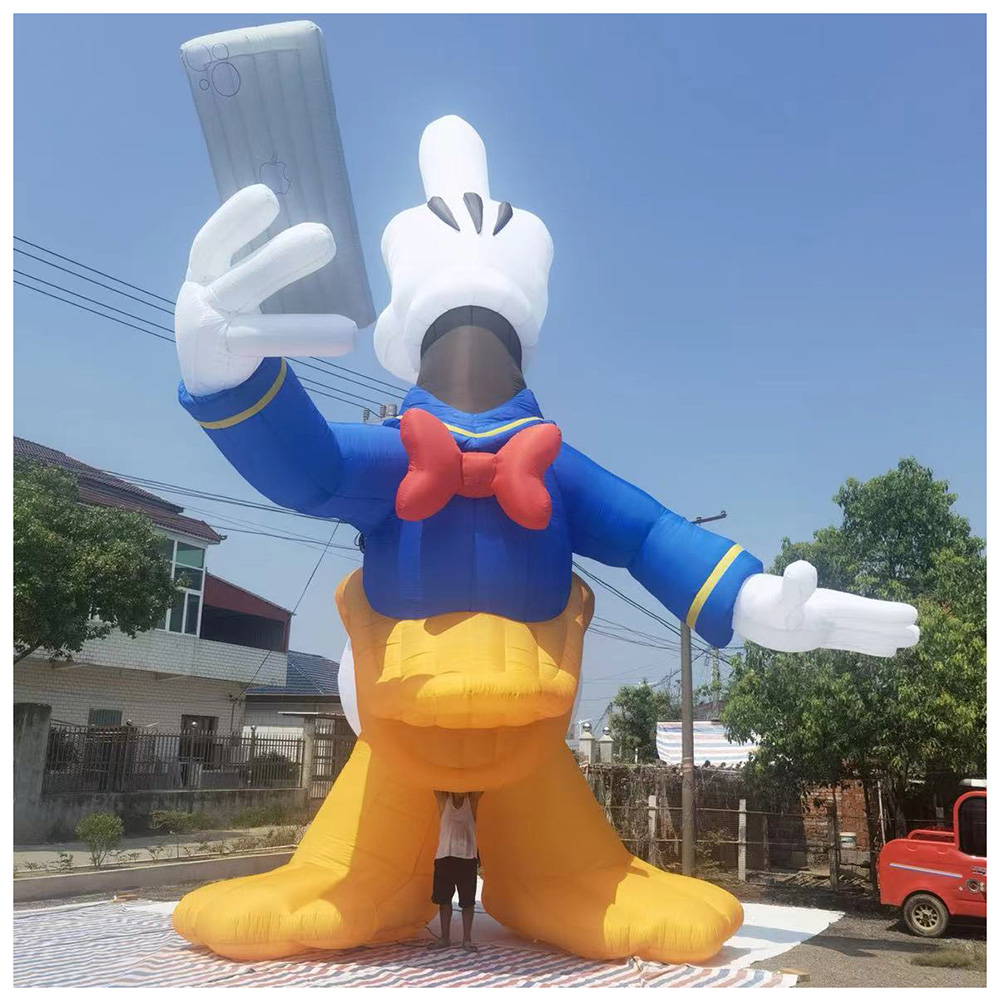
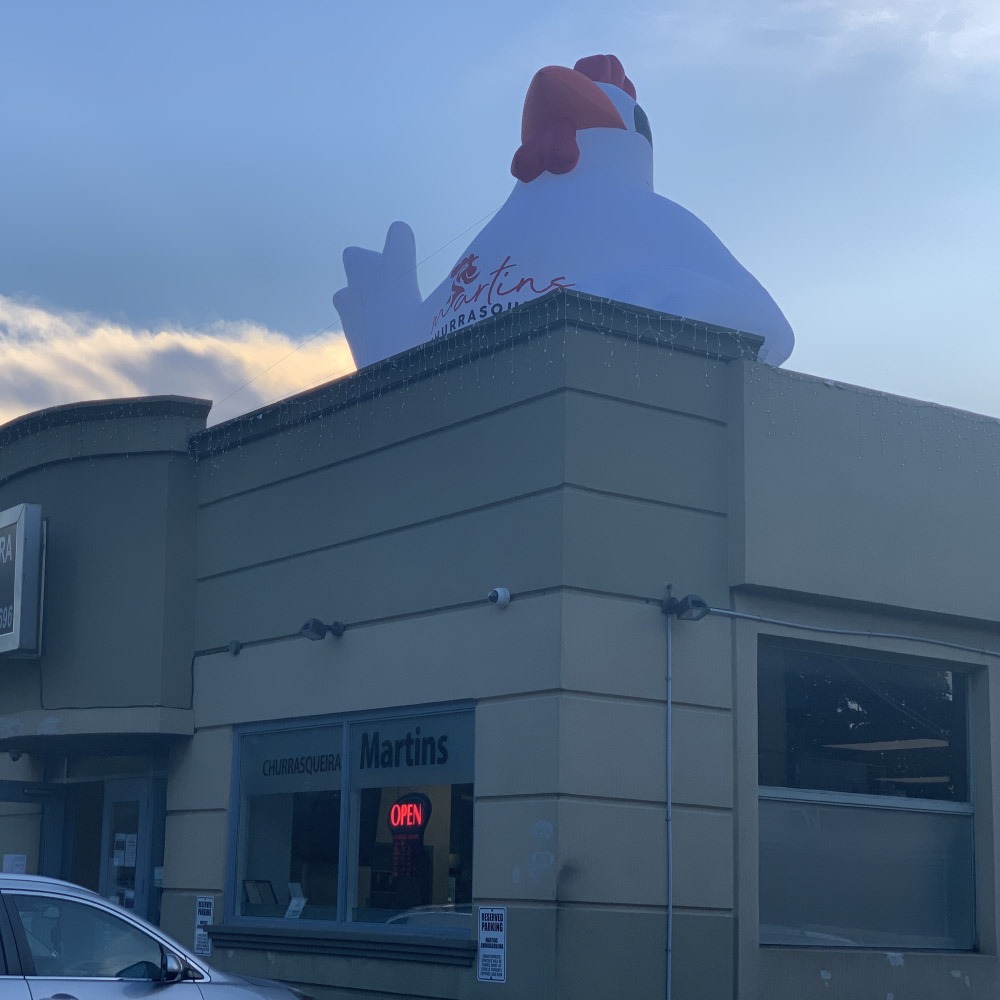
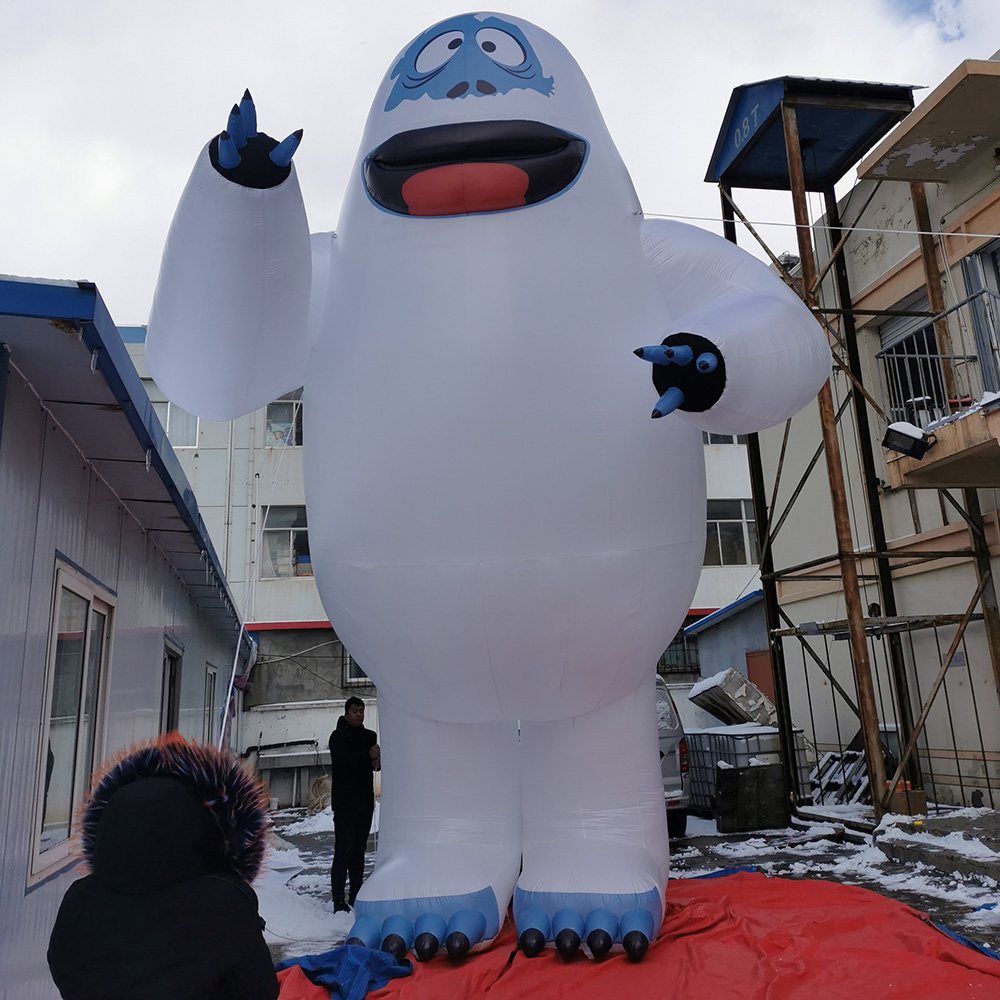
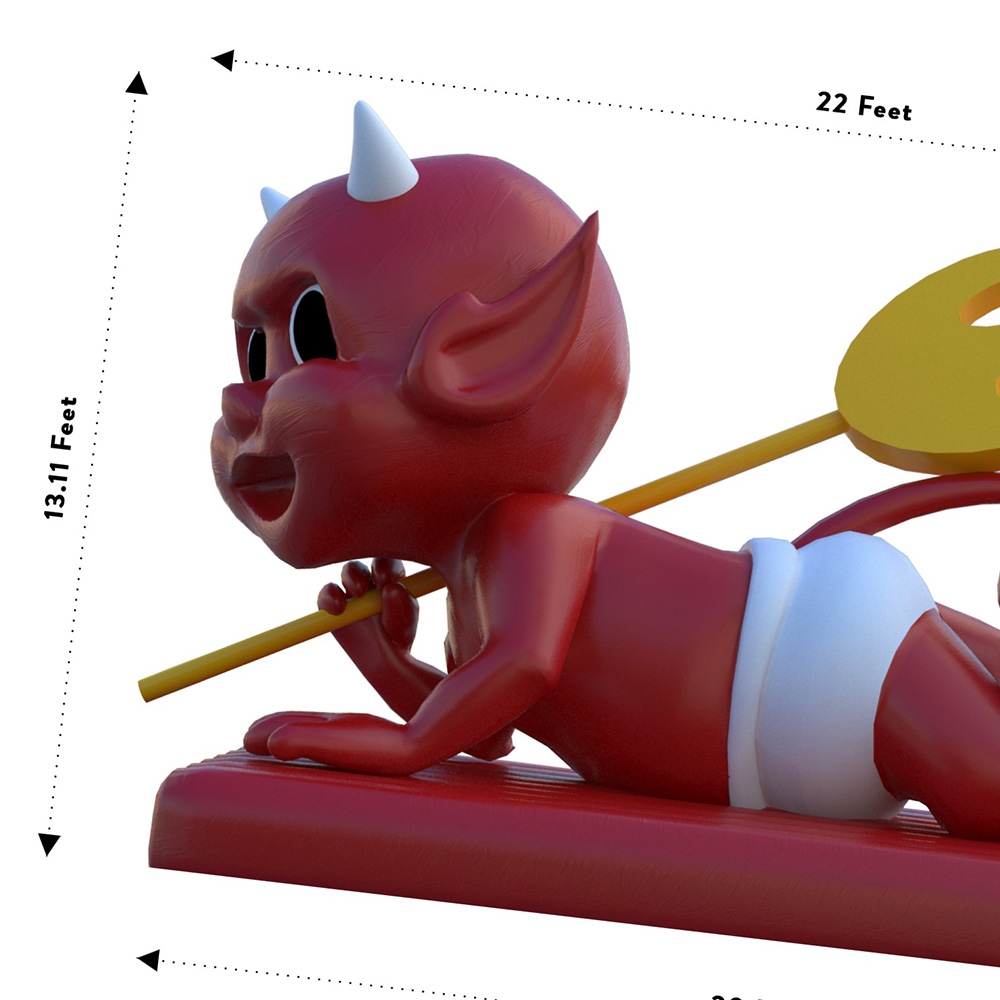
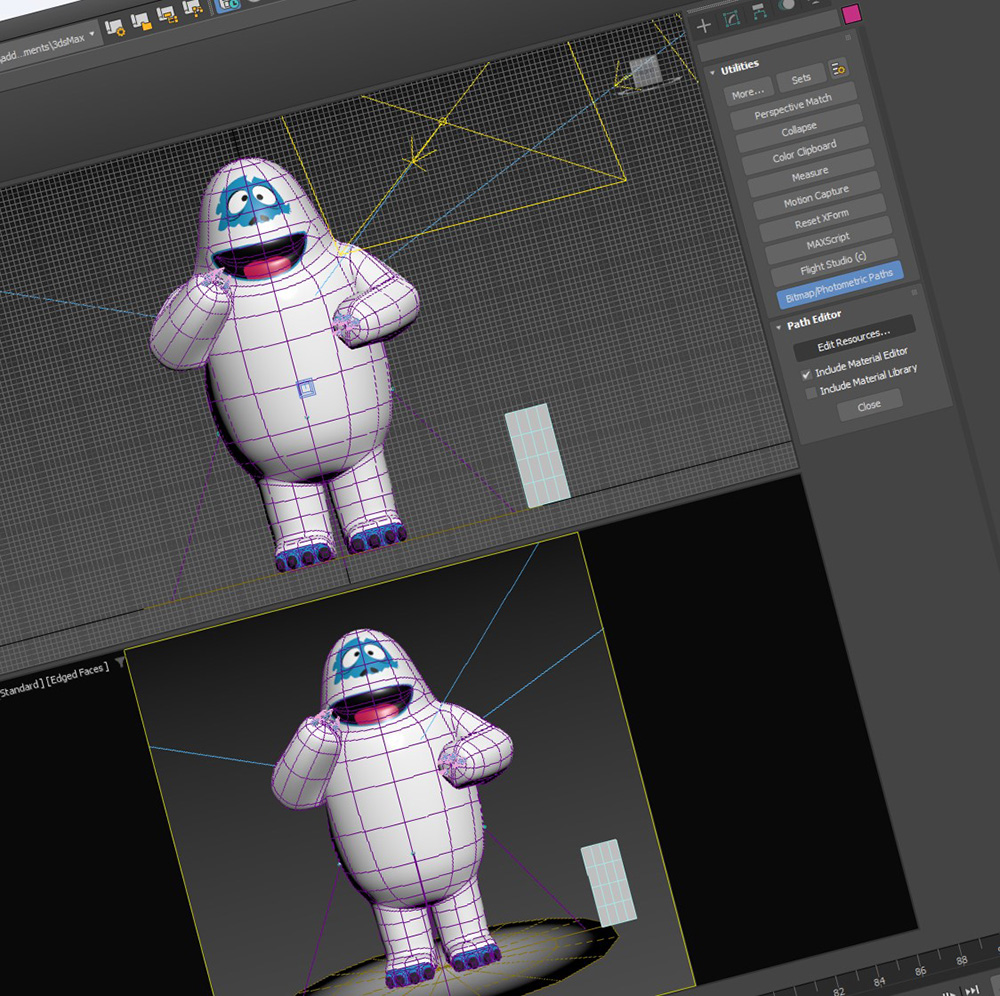
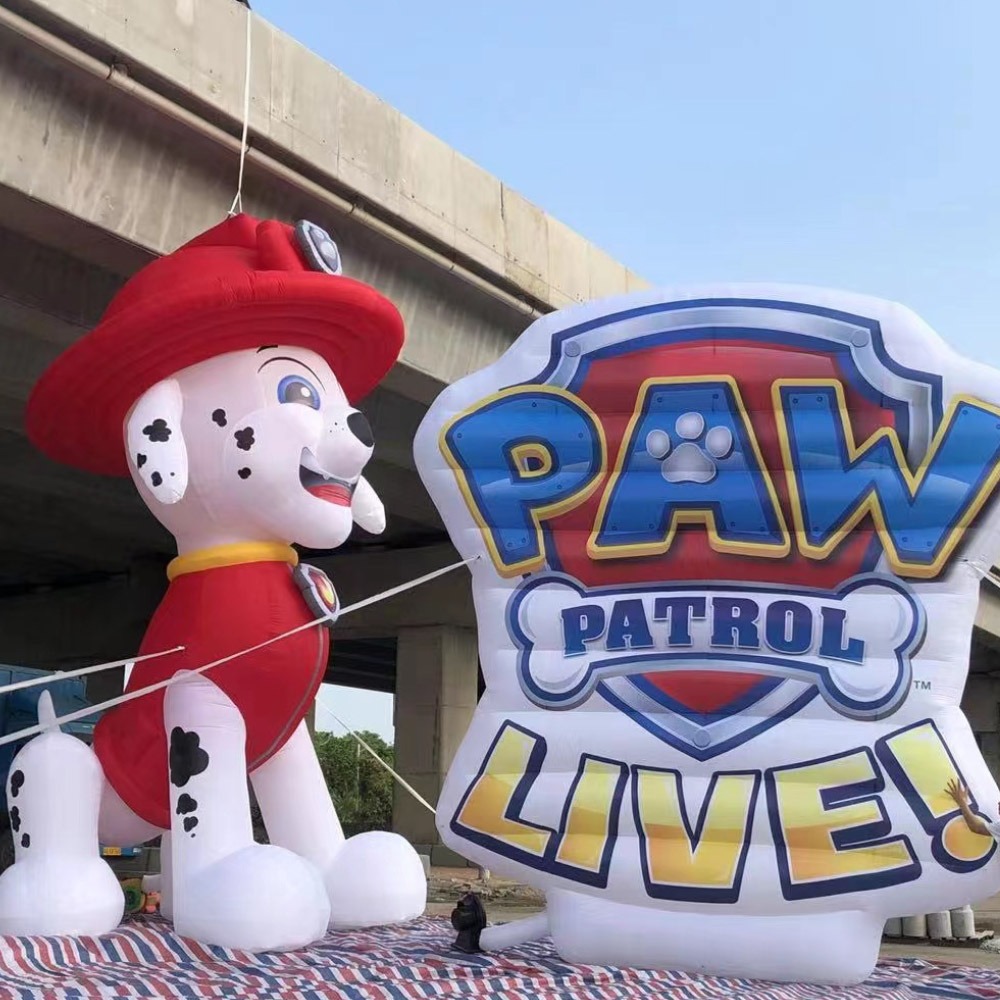
Character development became an important part of the custom product work, ranging from licensed characters to large custom mascots developed for events and brand activations.
* Selected projects developed during my time at Floatie Kings.
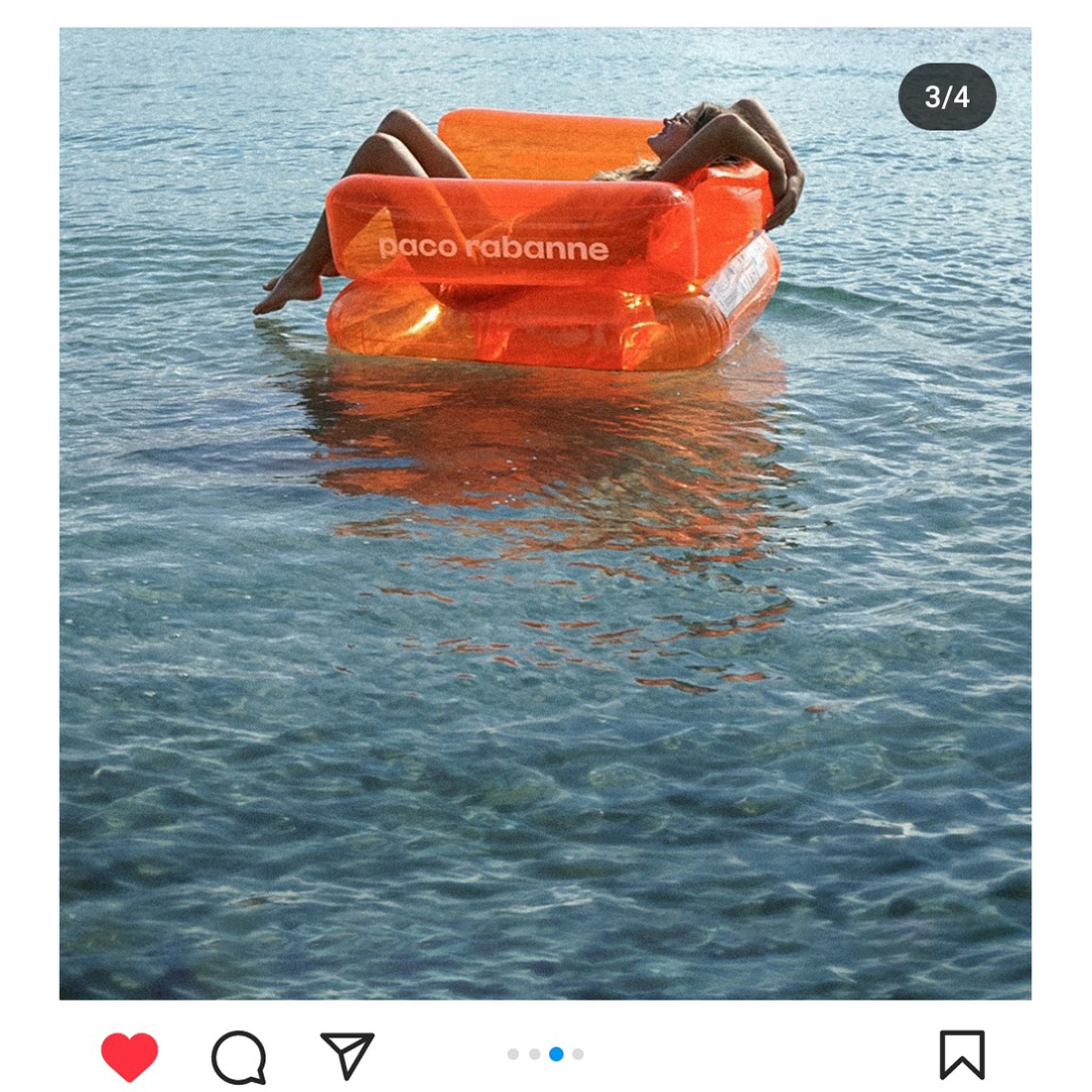
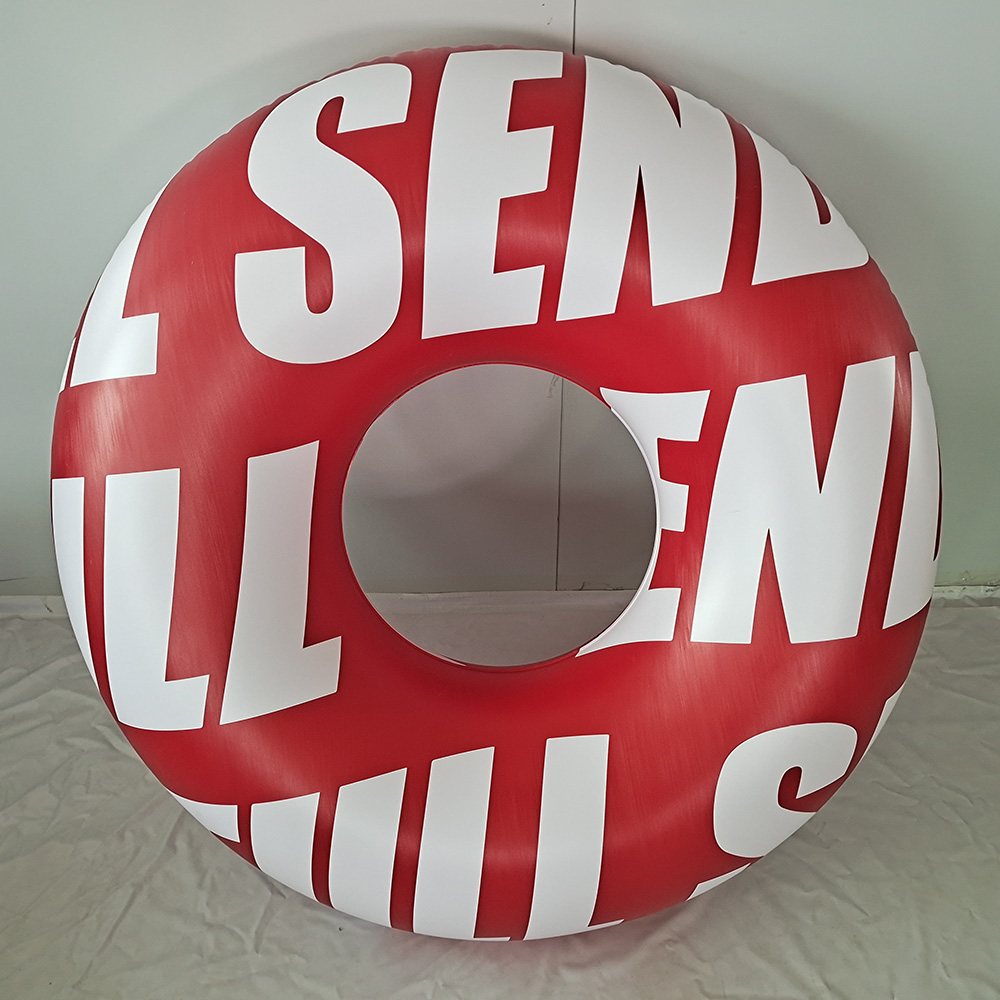
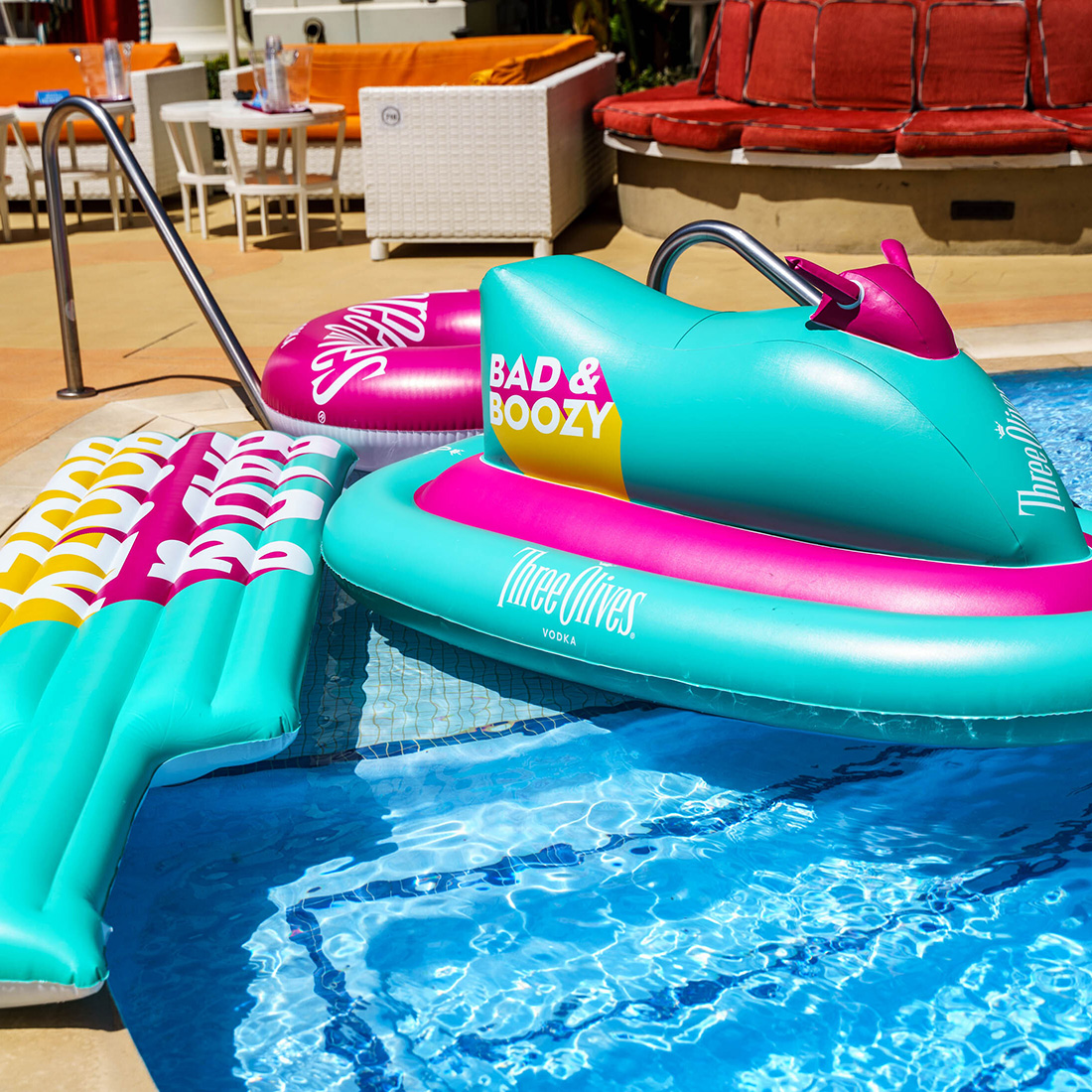
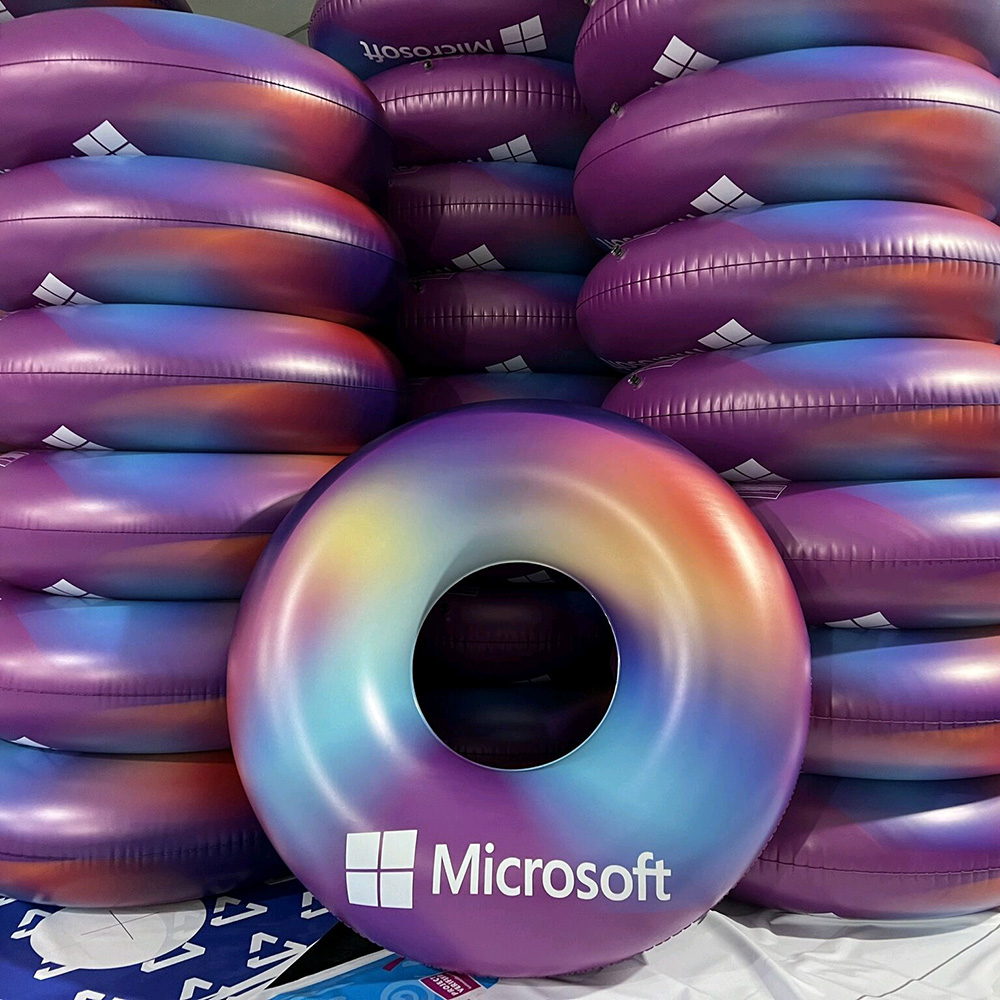
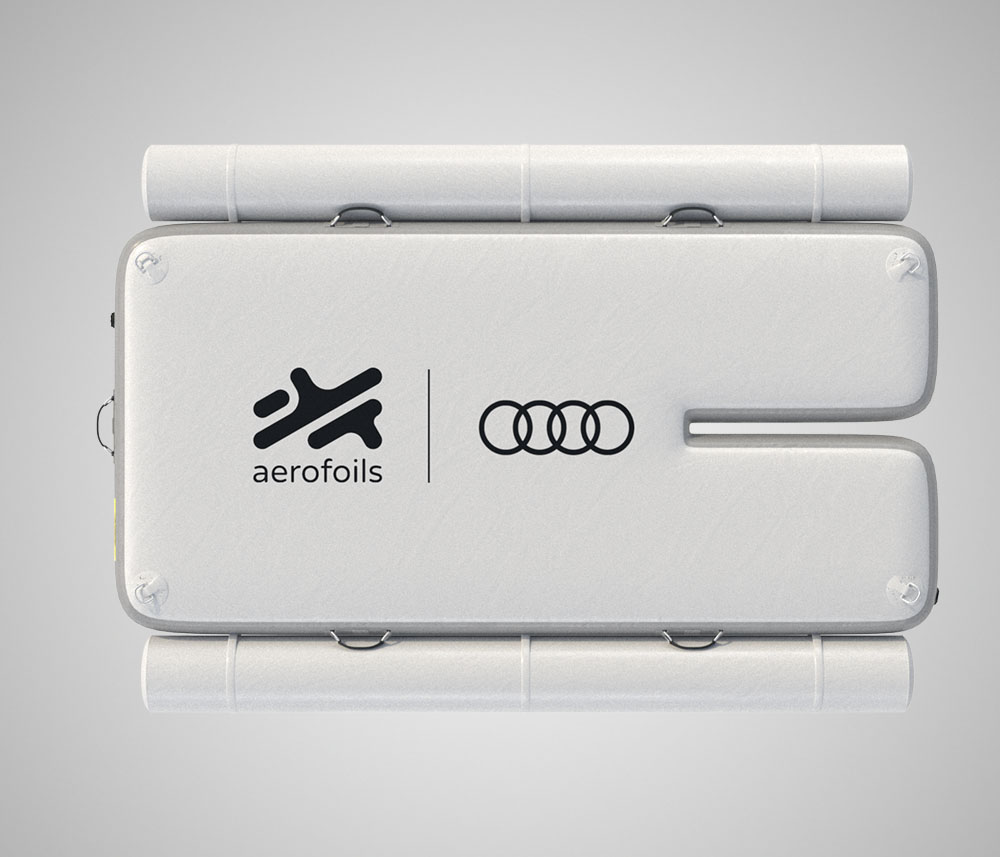
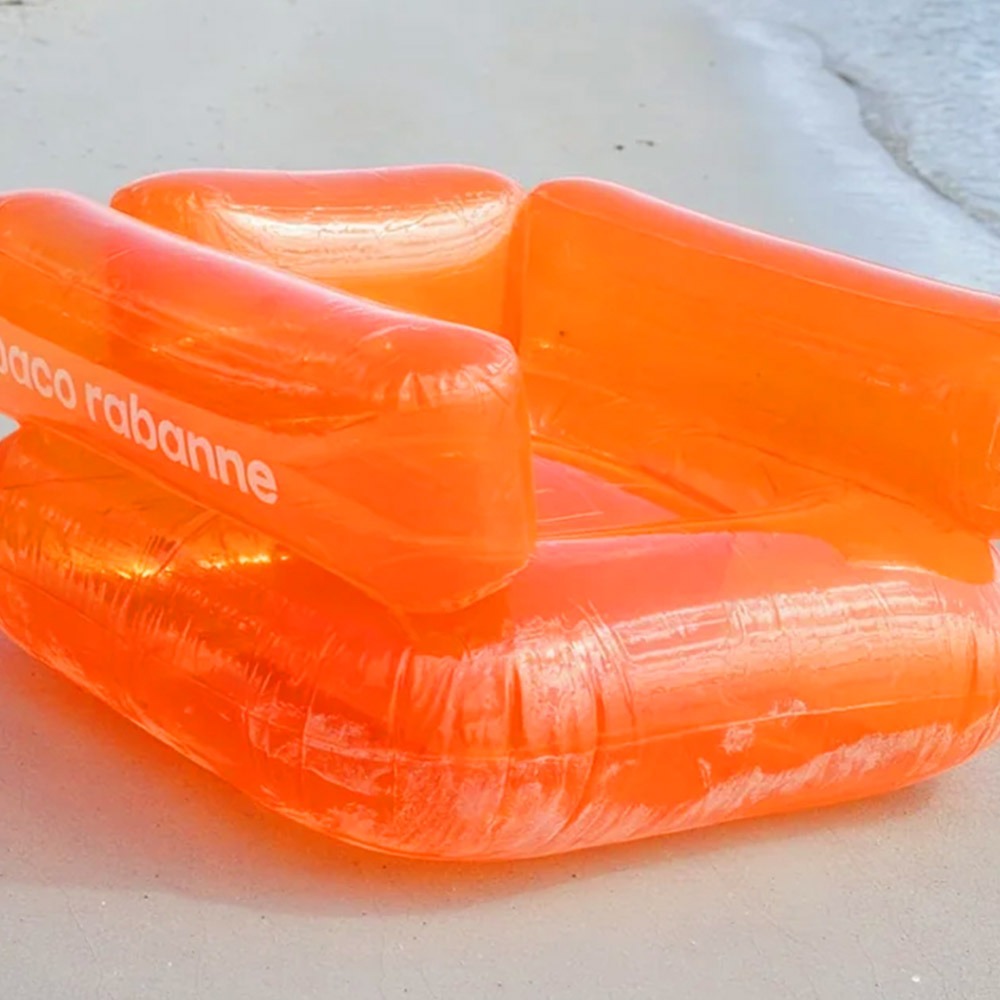
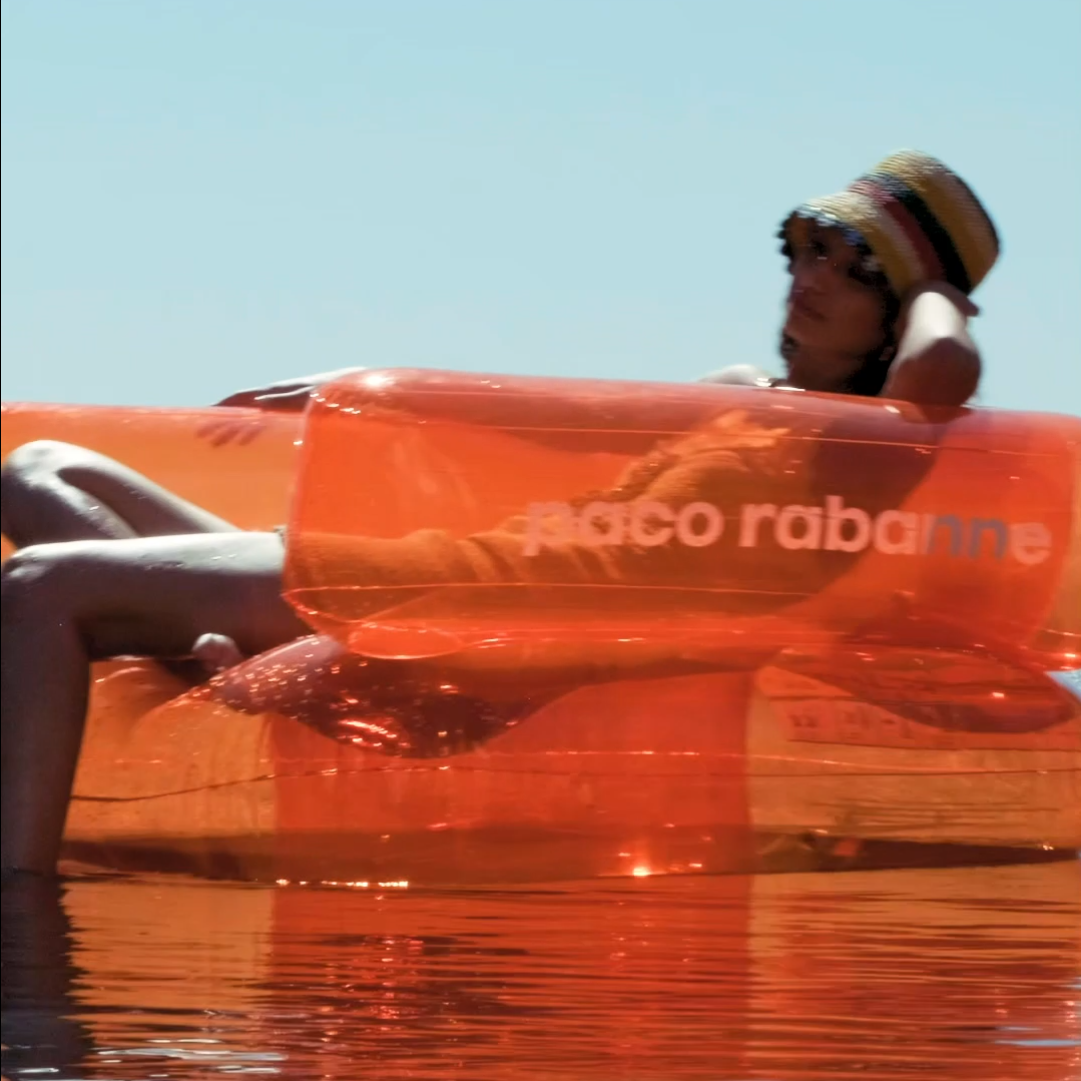
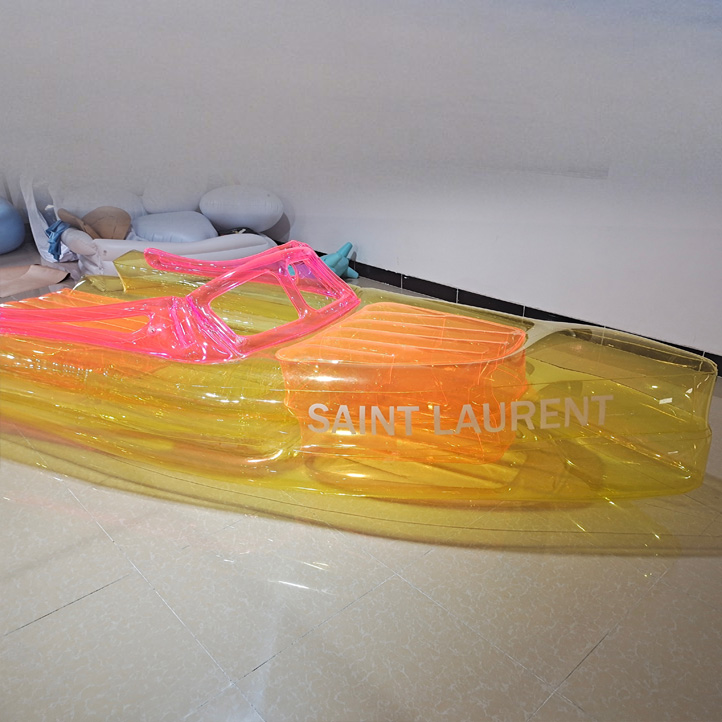
PRODUCTS & BRAND COLLABORATIONS
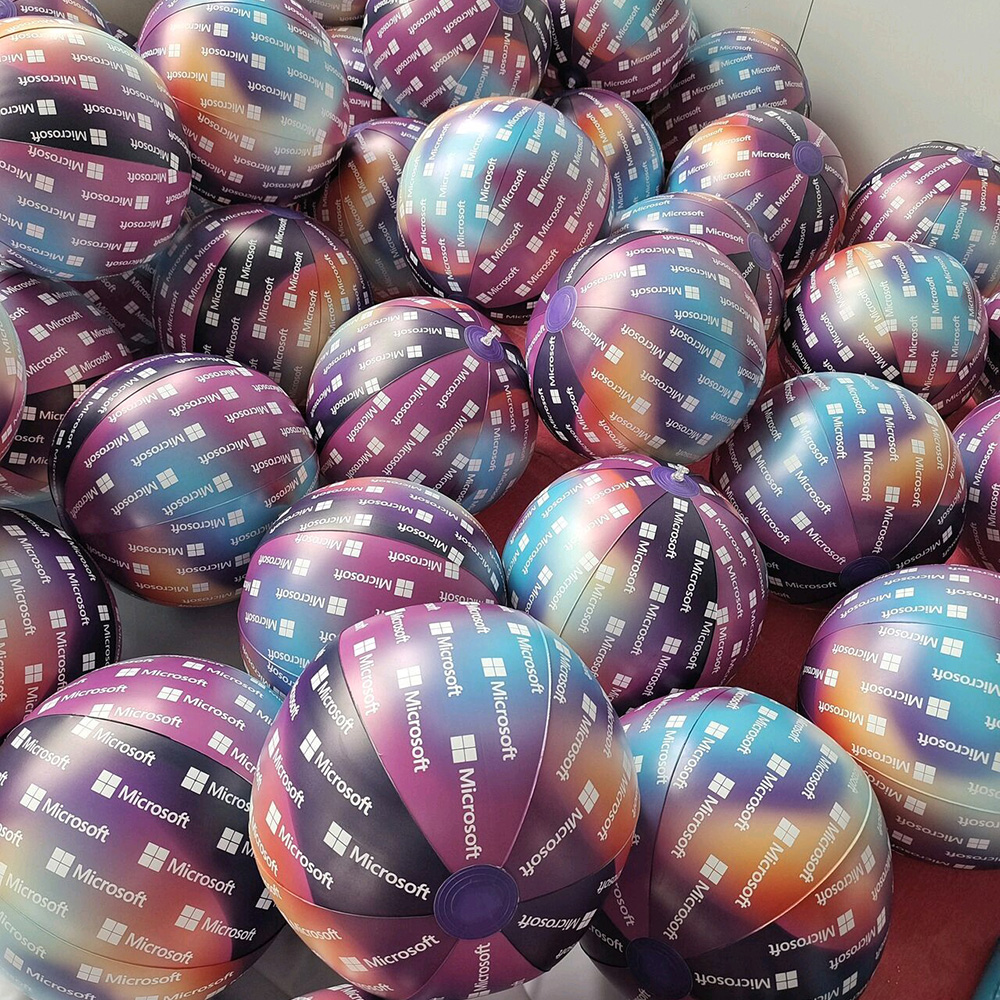
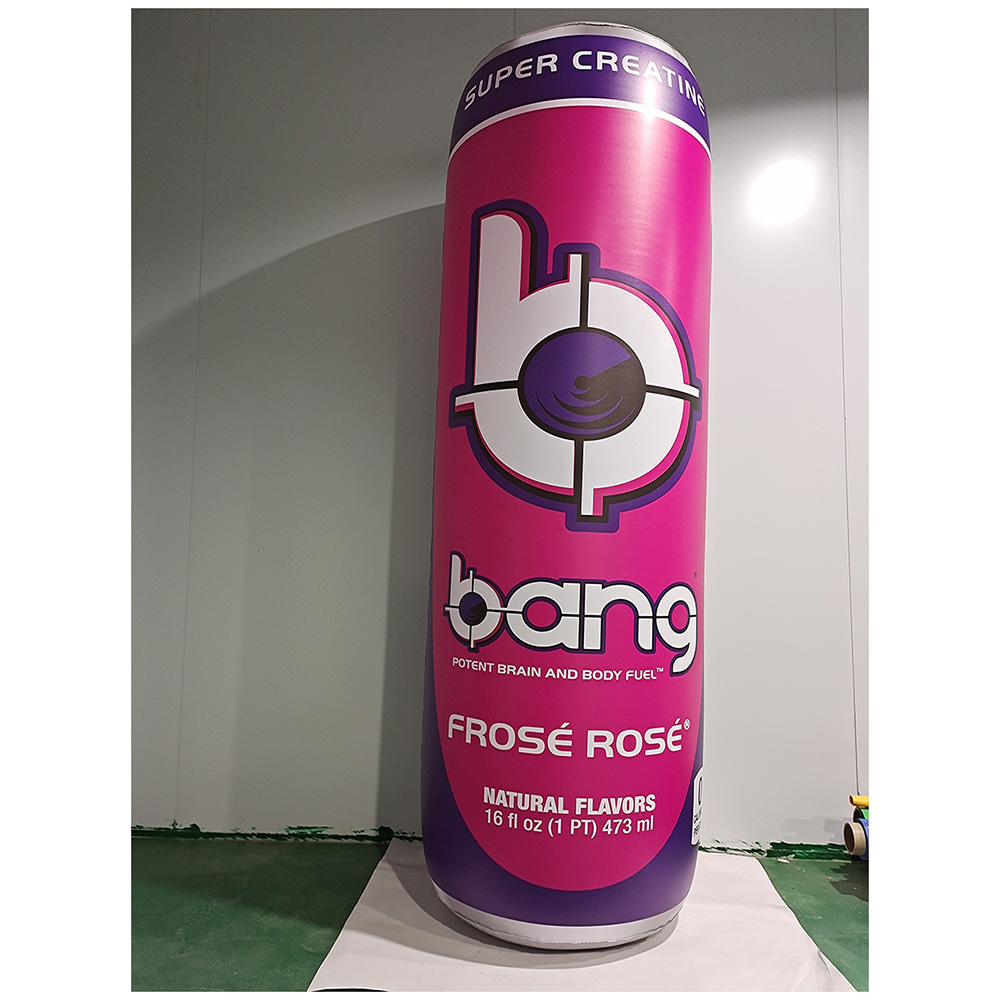
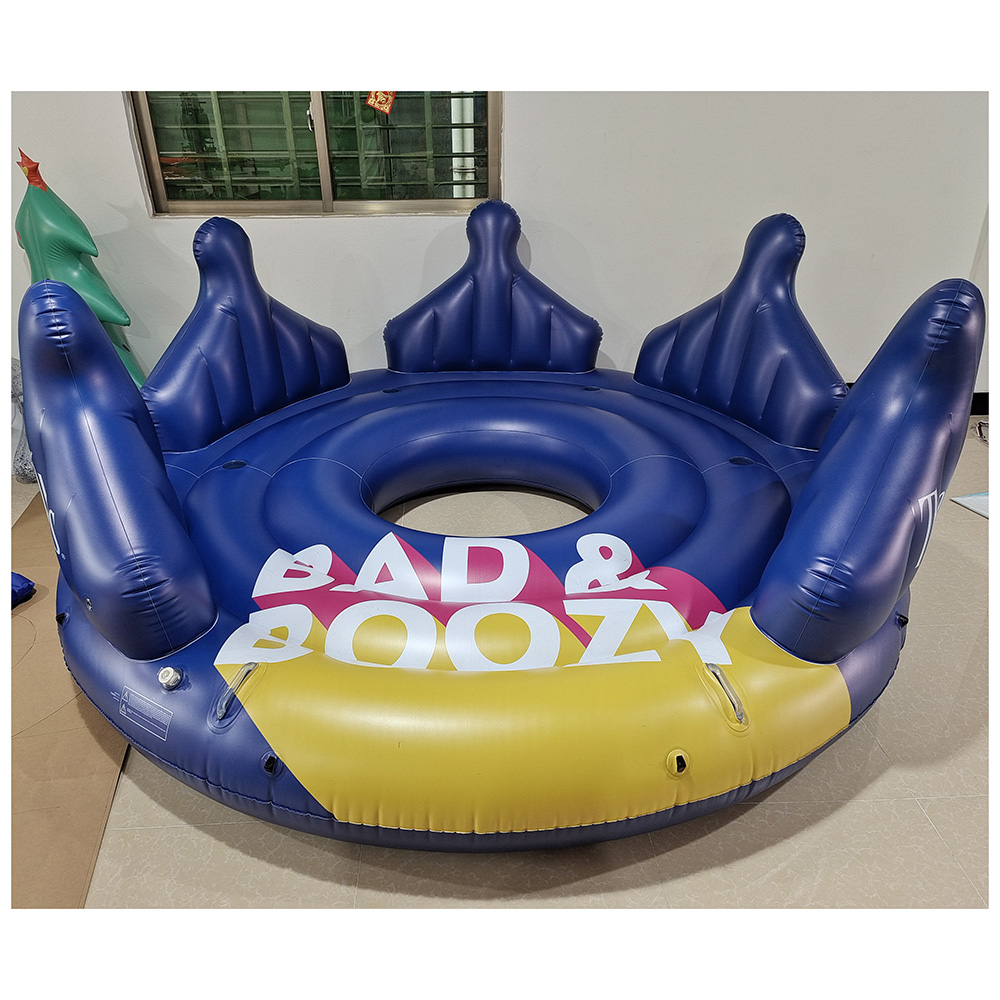
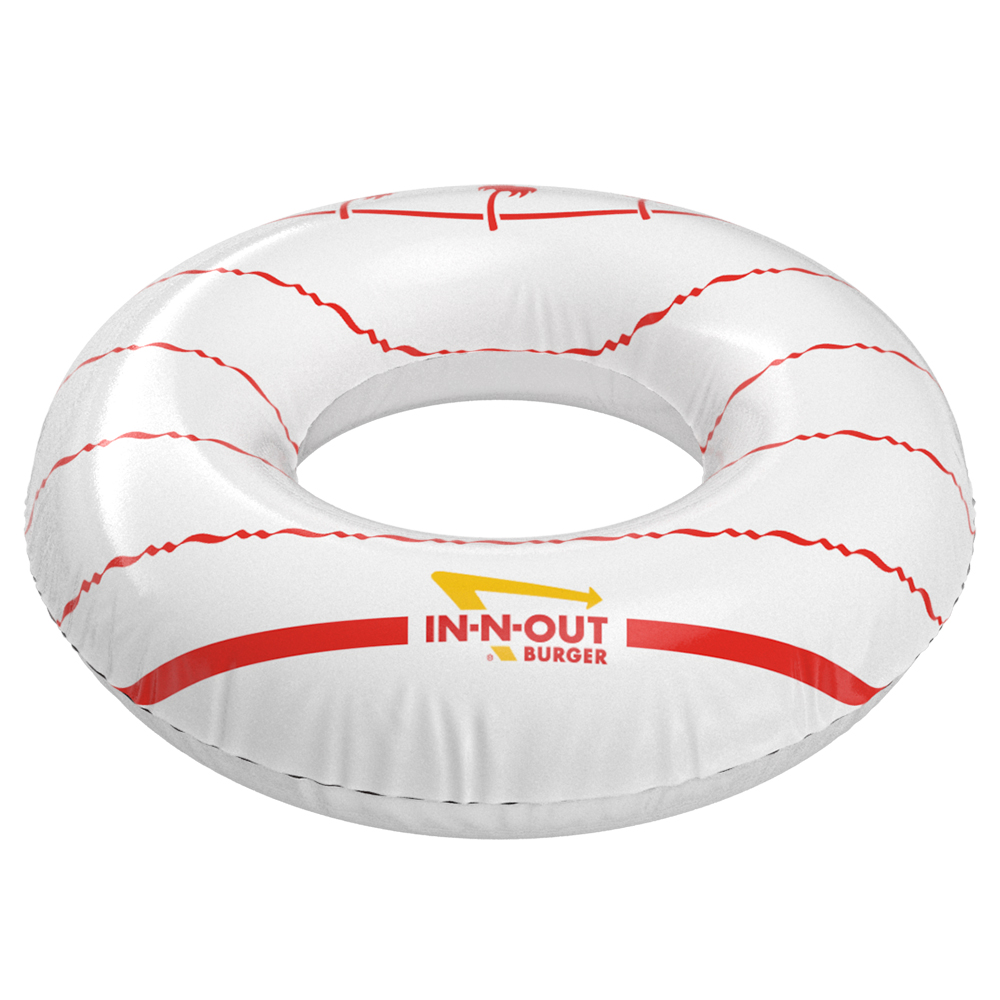
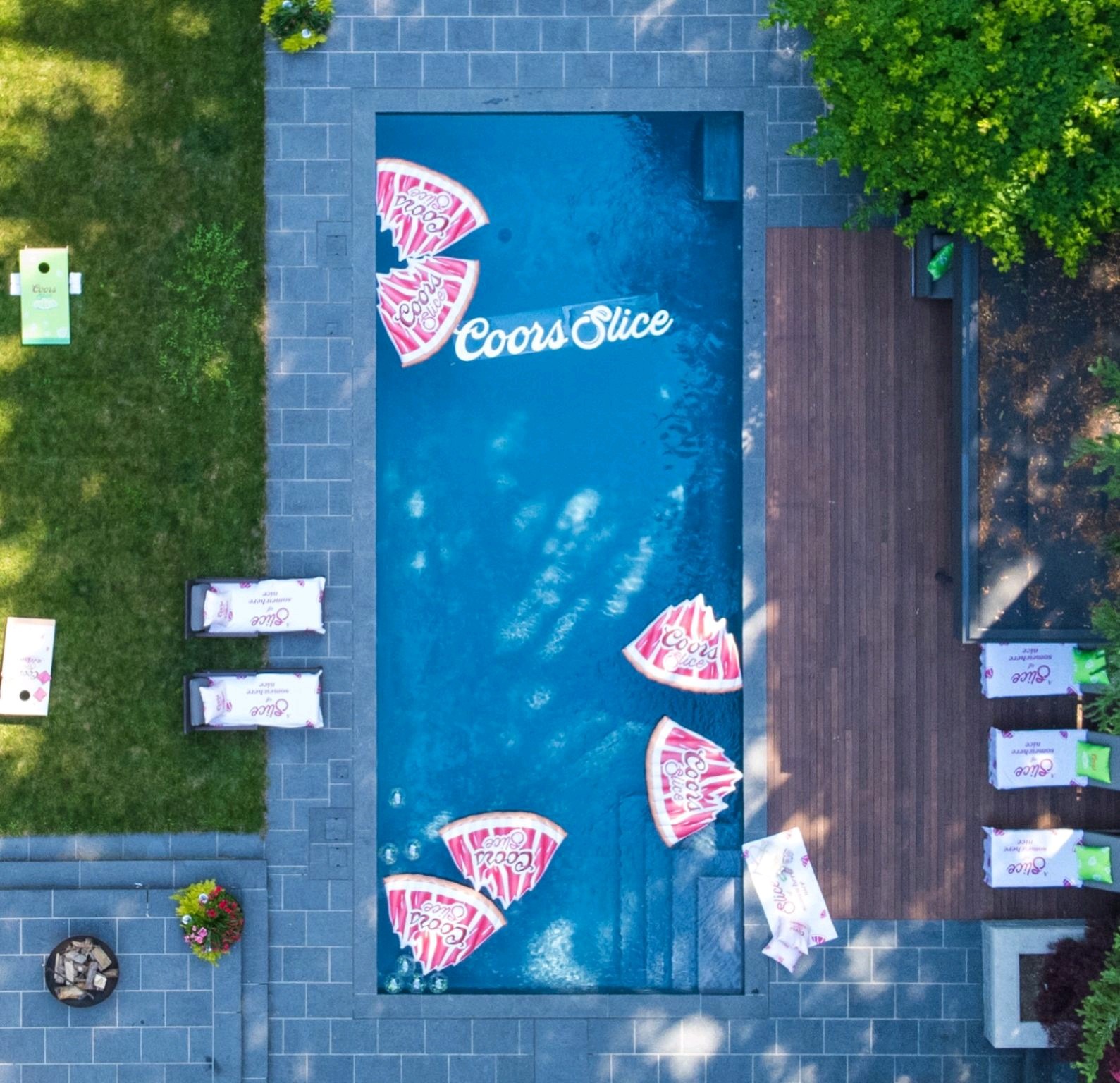
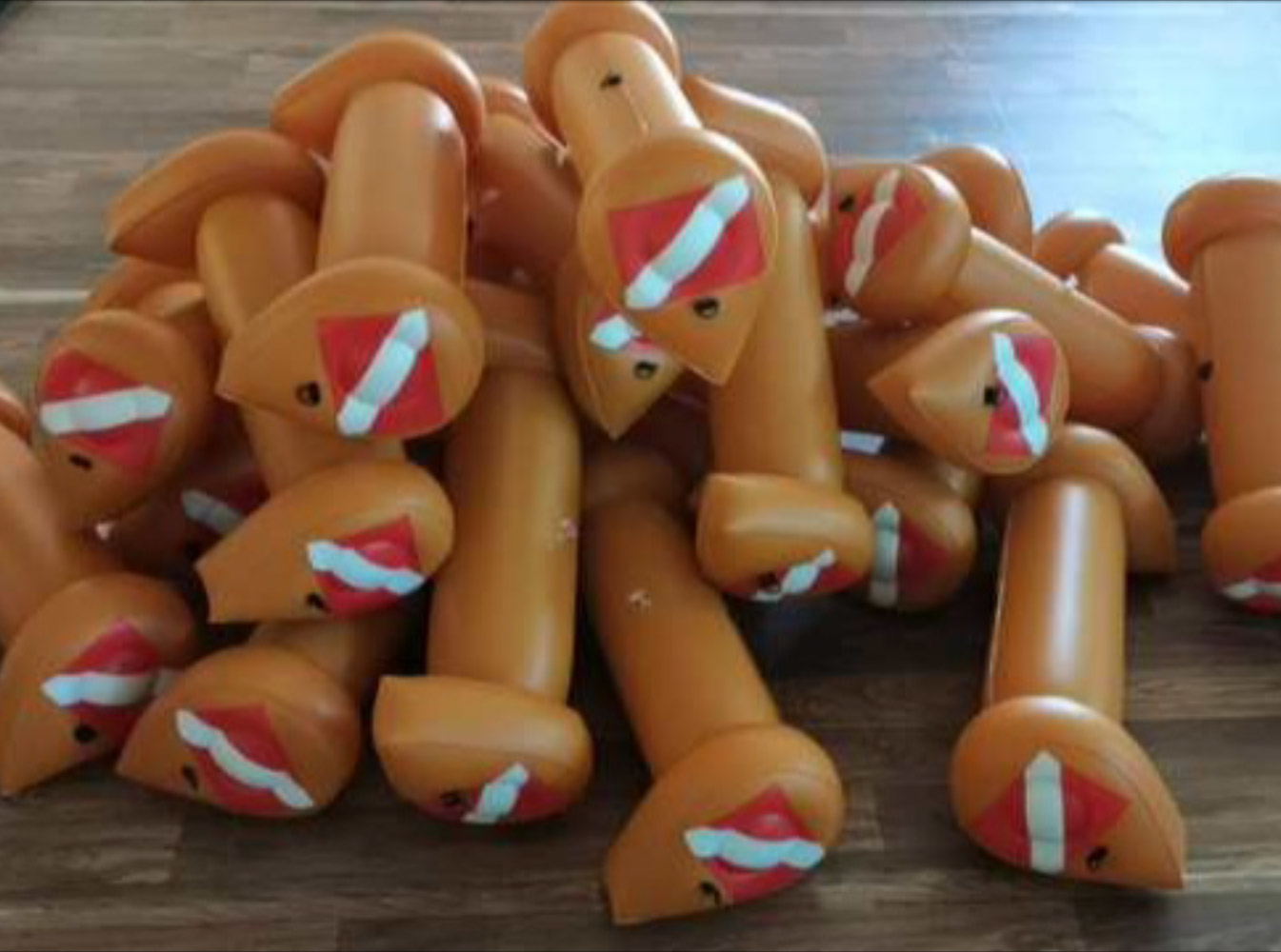
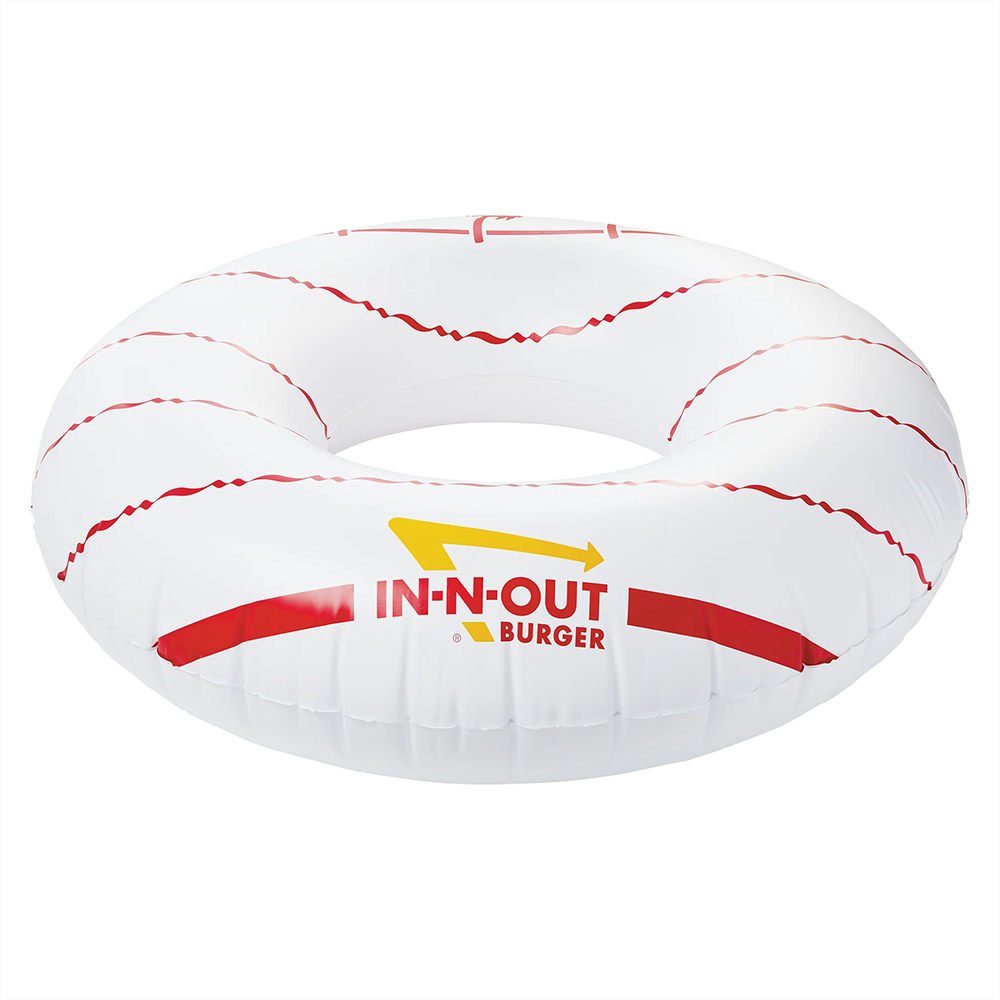
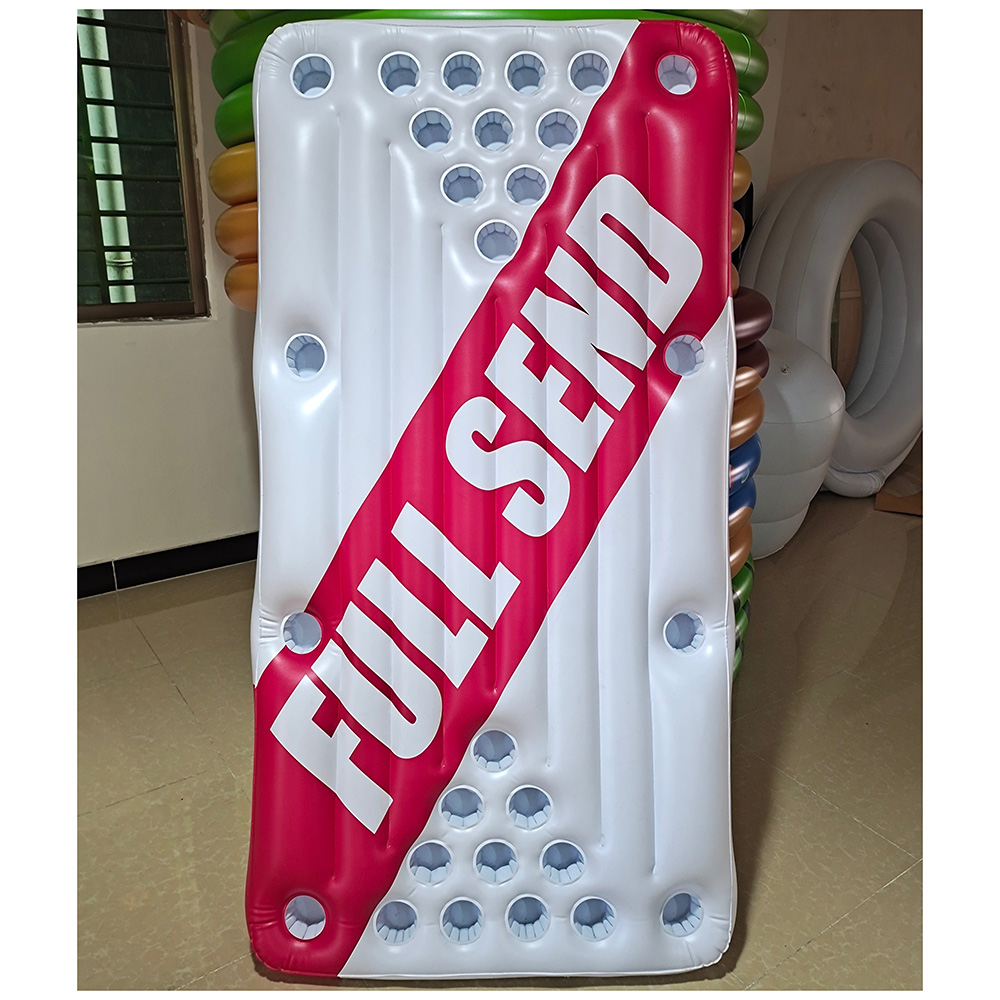
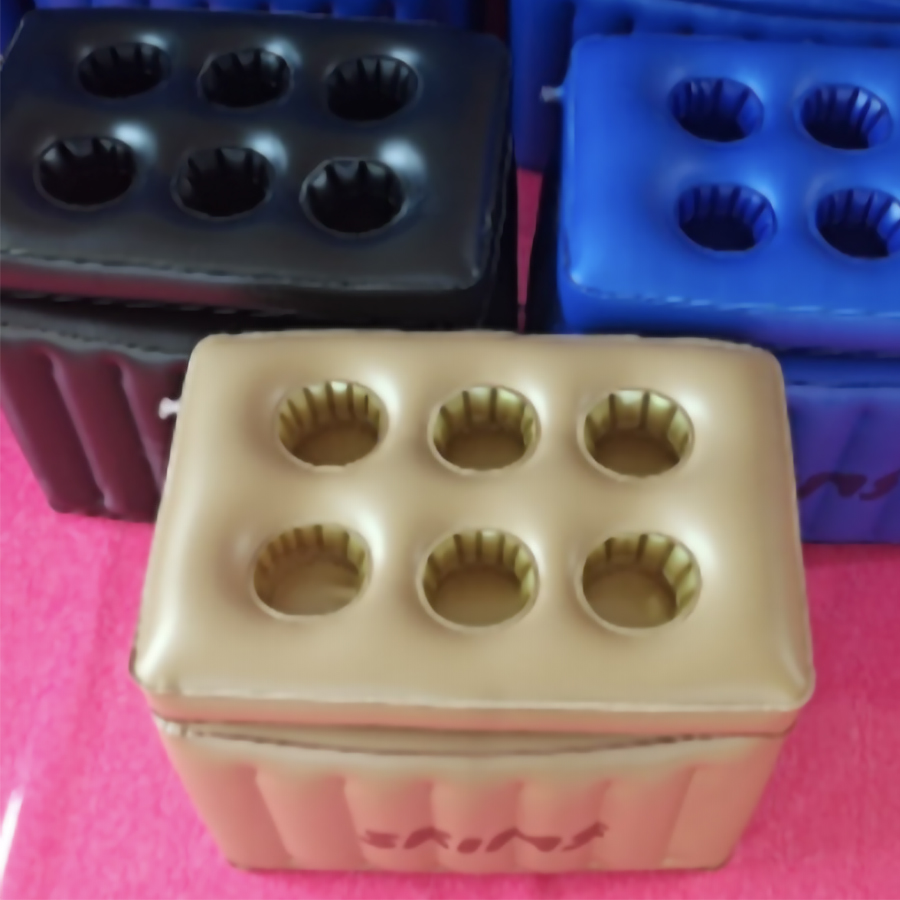
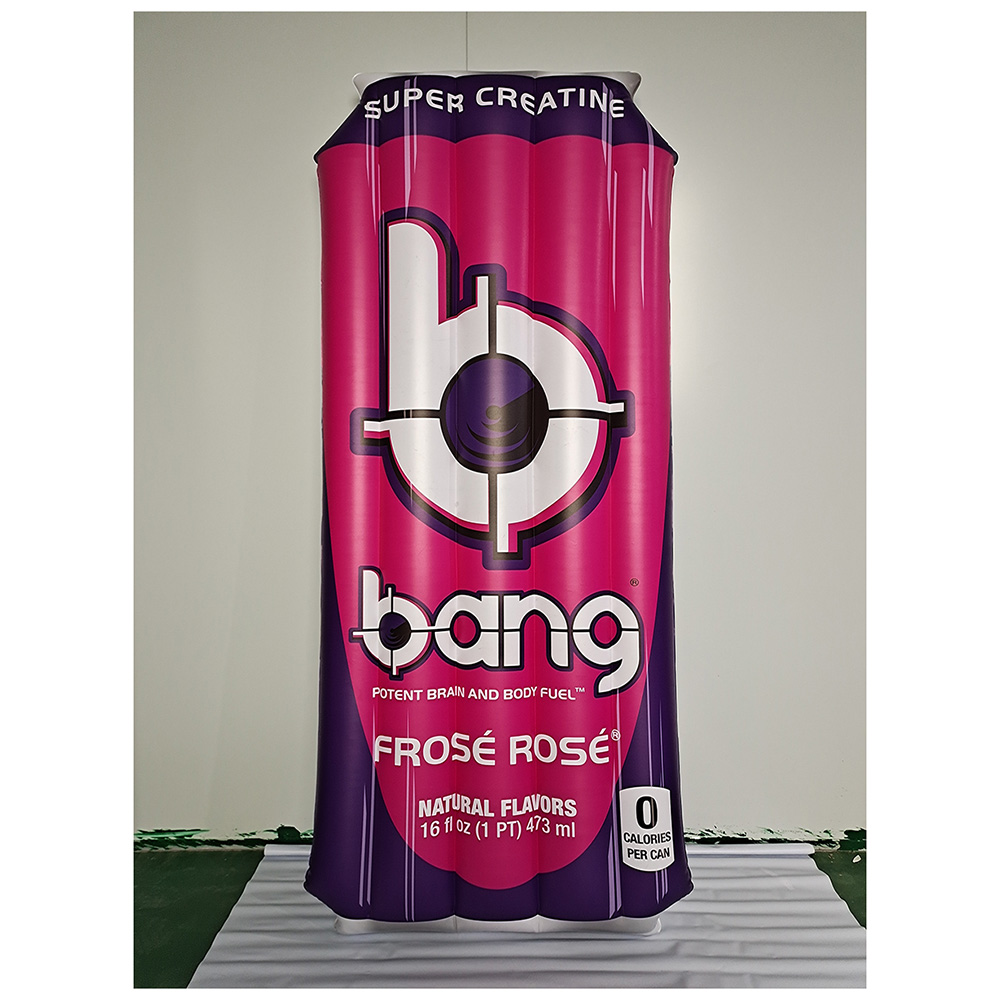
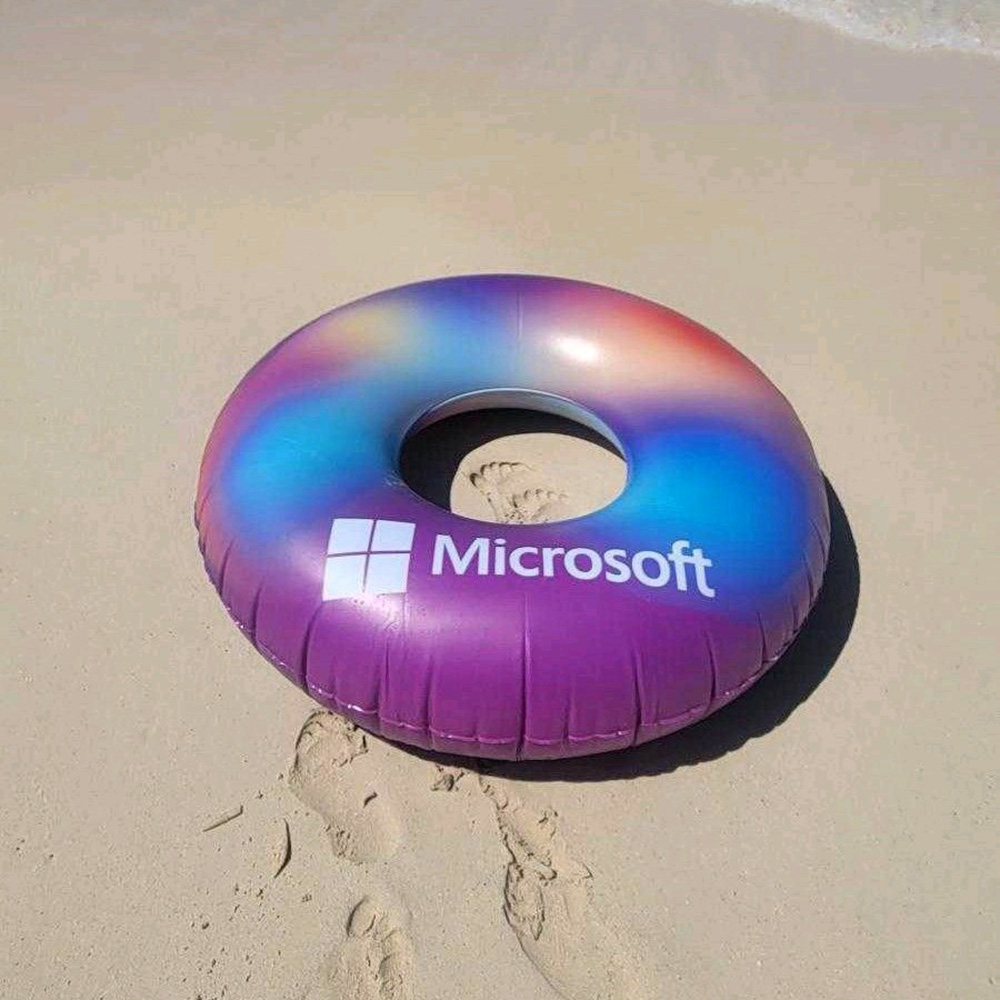
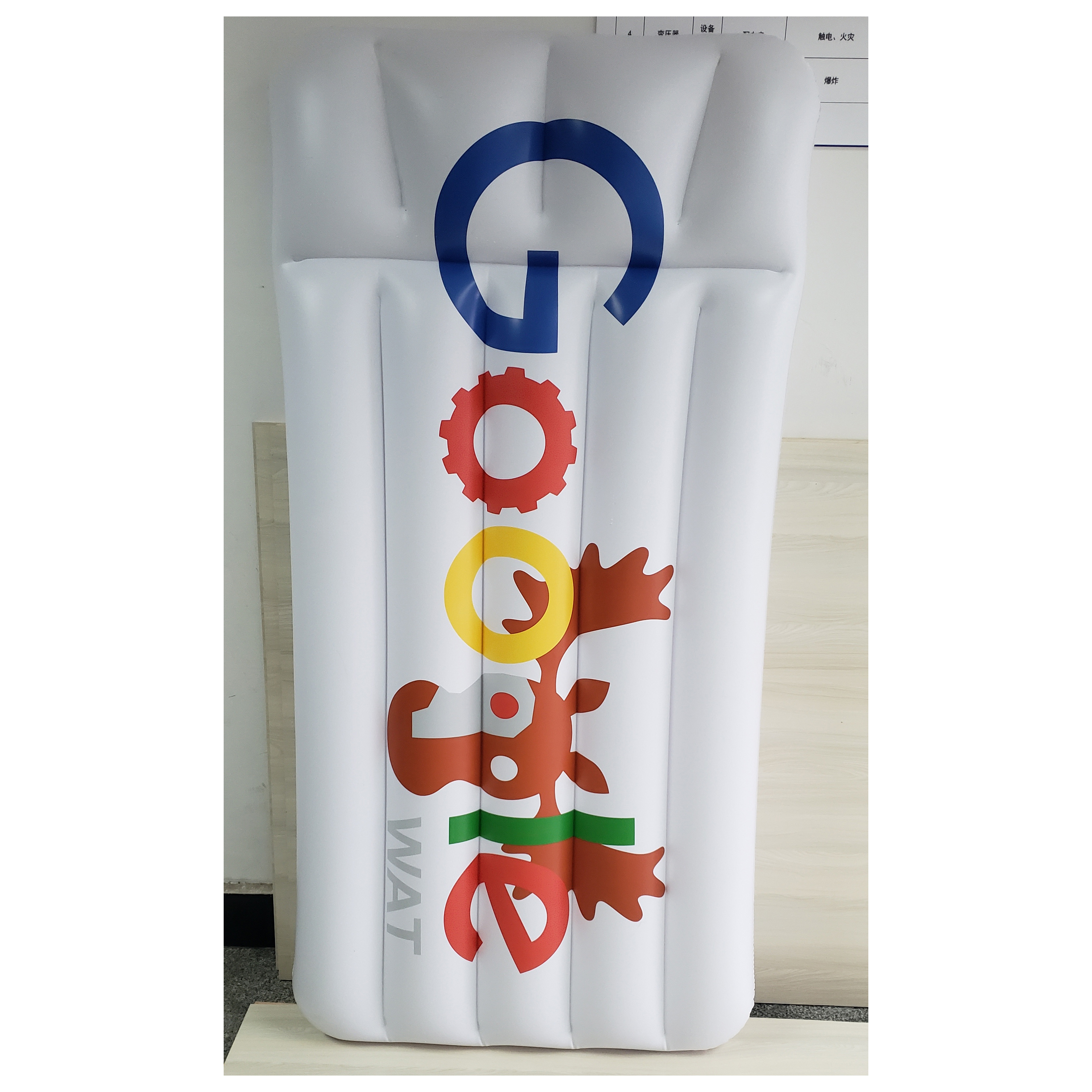
Selected projects developed as part of the Floatie Kings team.
* Selected projects developed during my time at Floatie Kings.
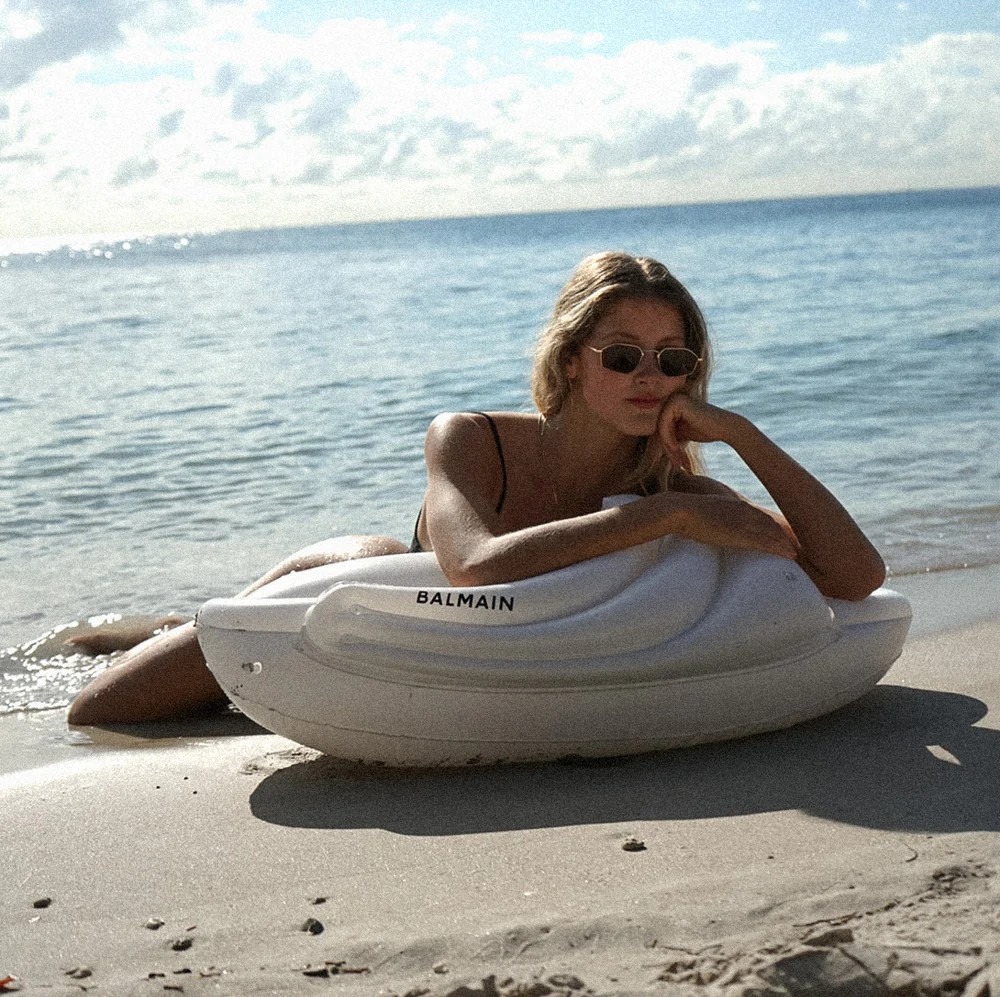
FASHION & DESIGN
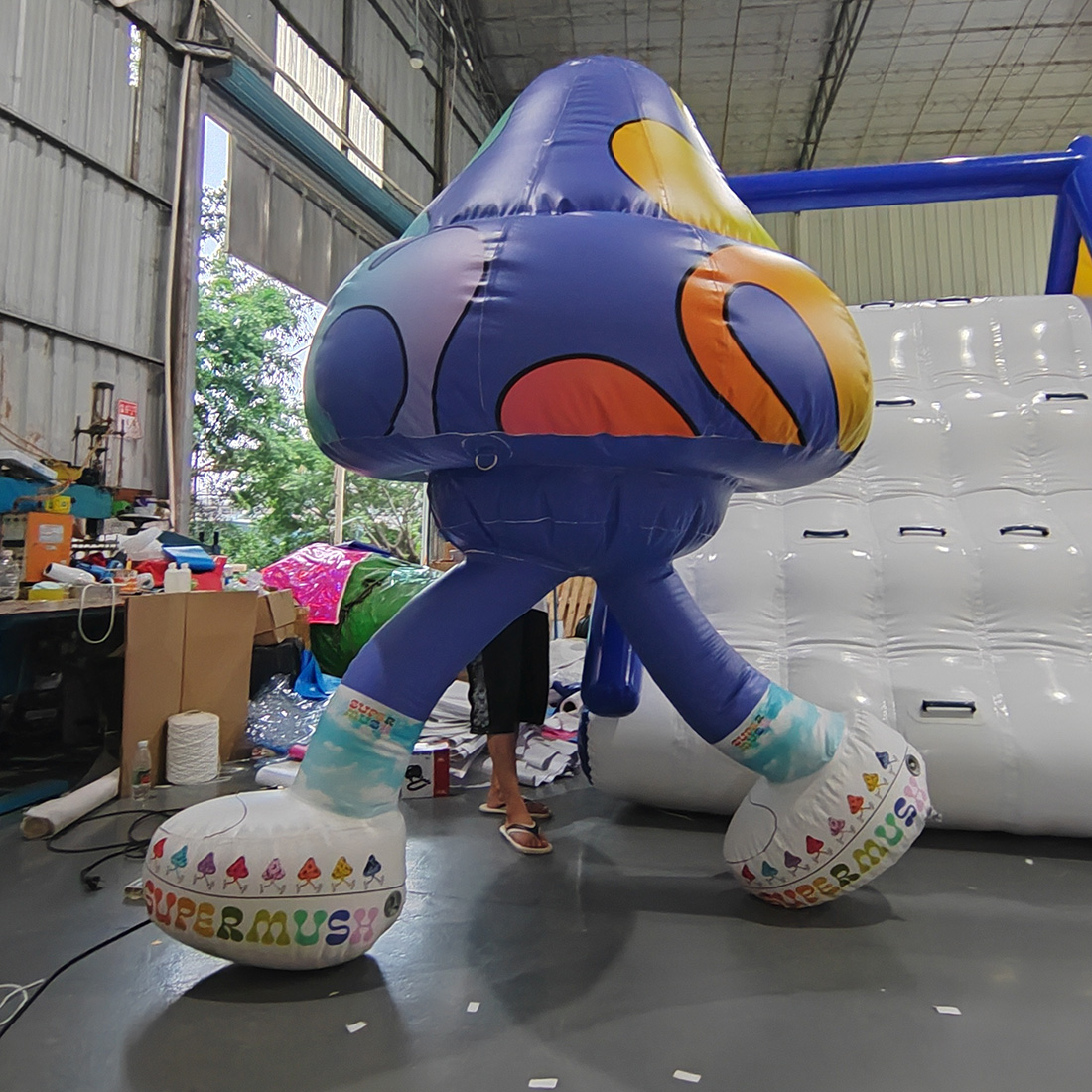
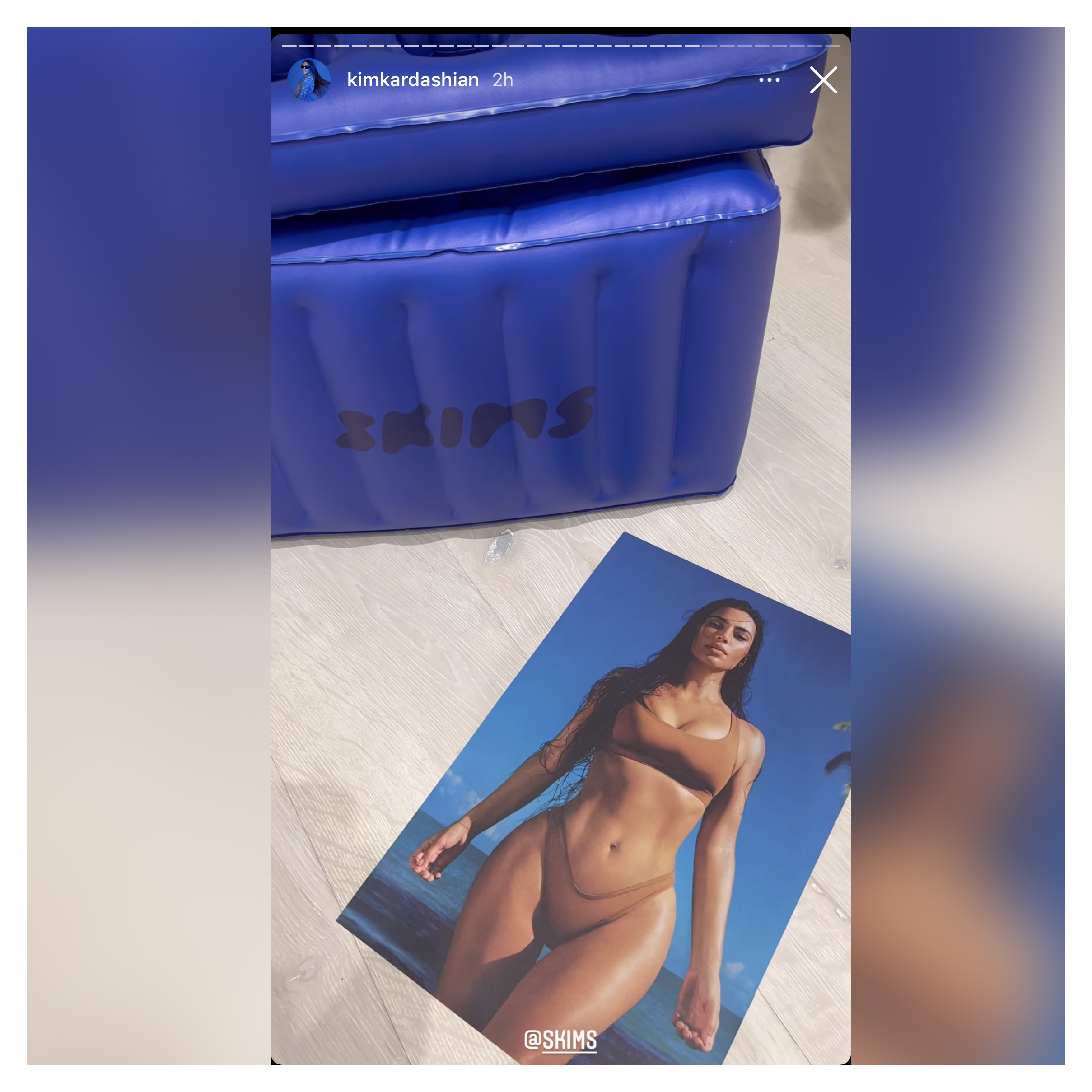
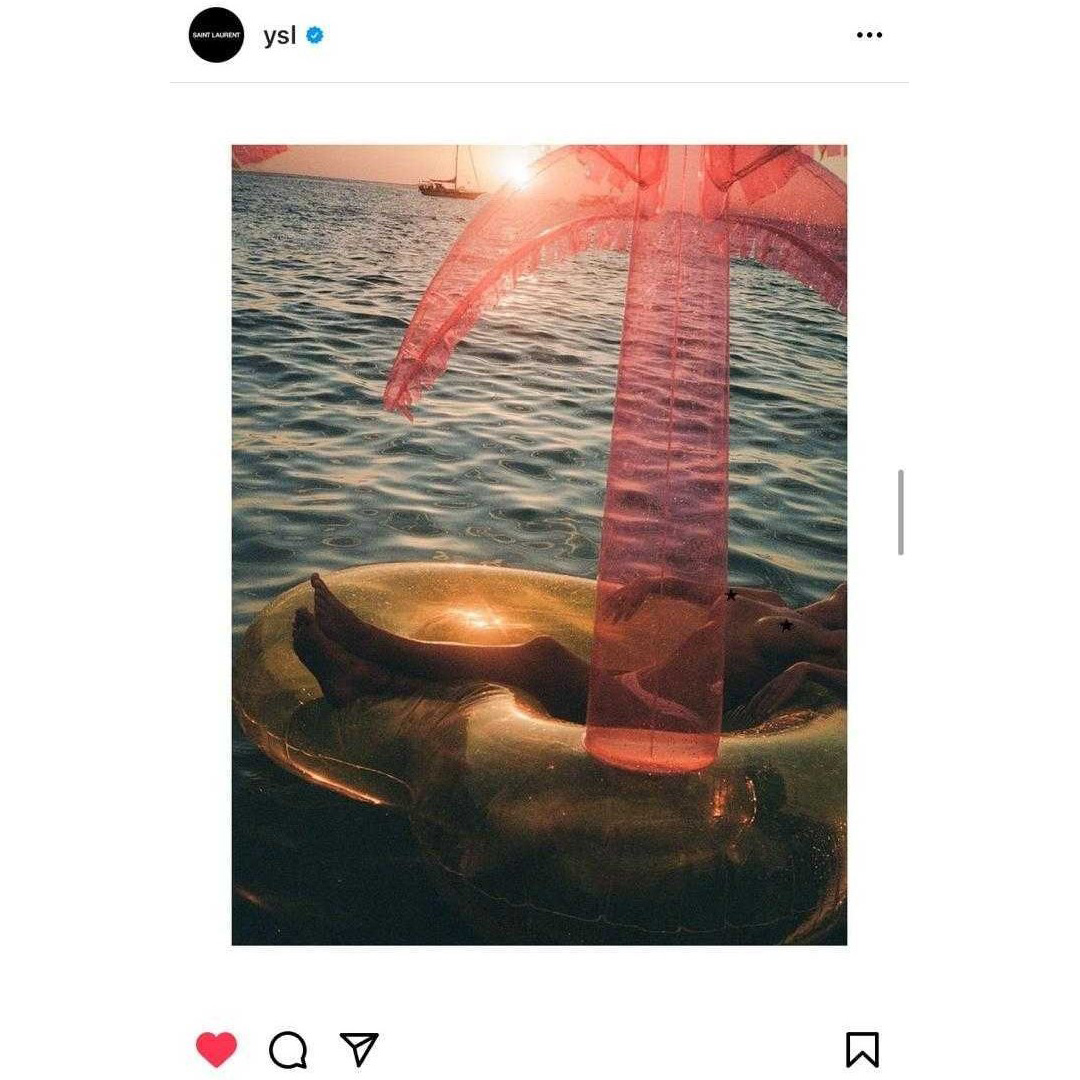
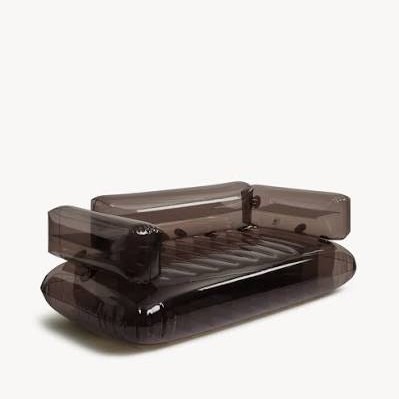
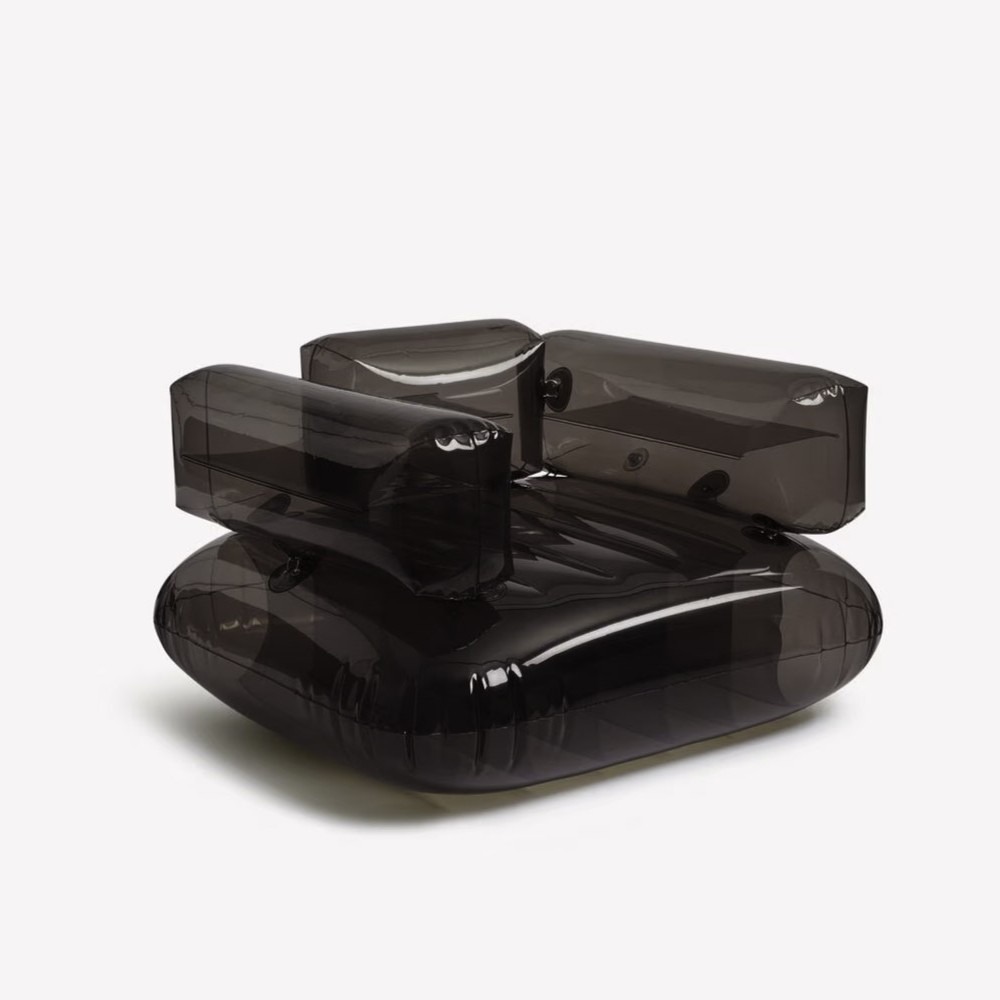
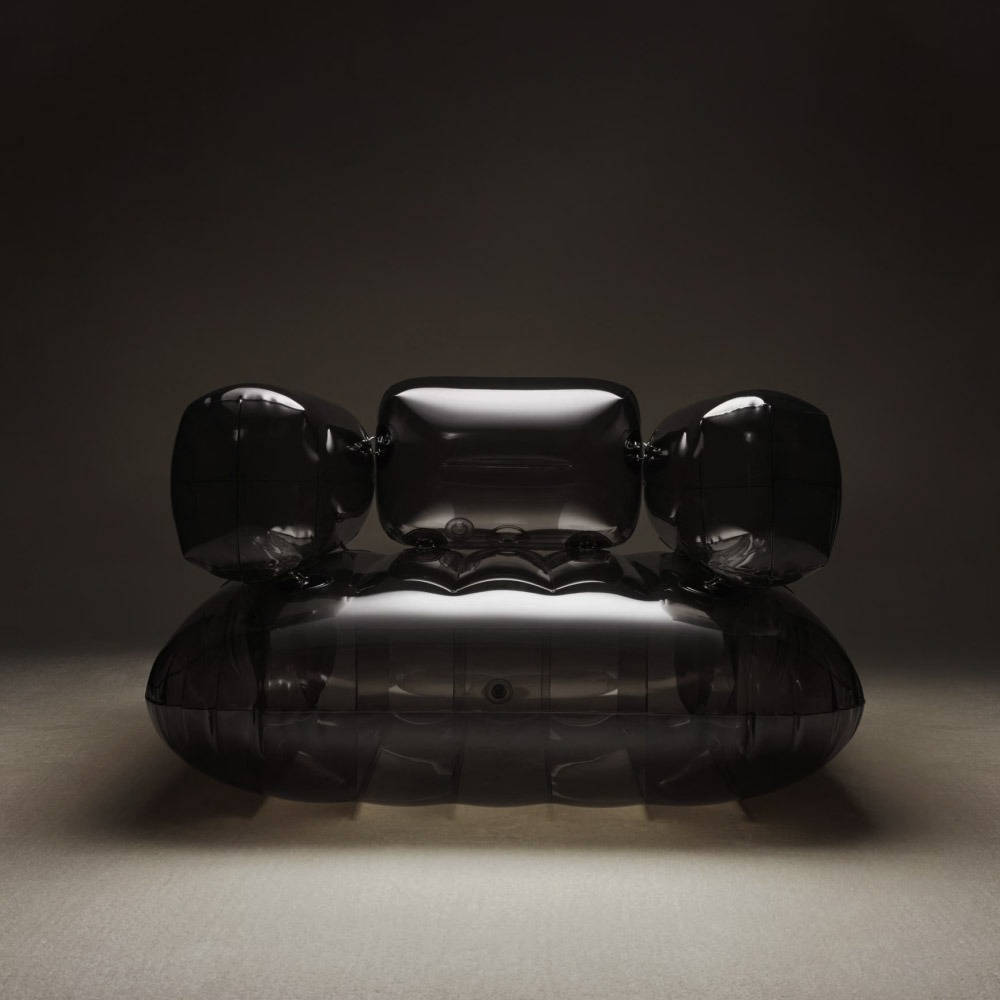
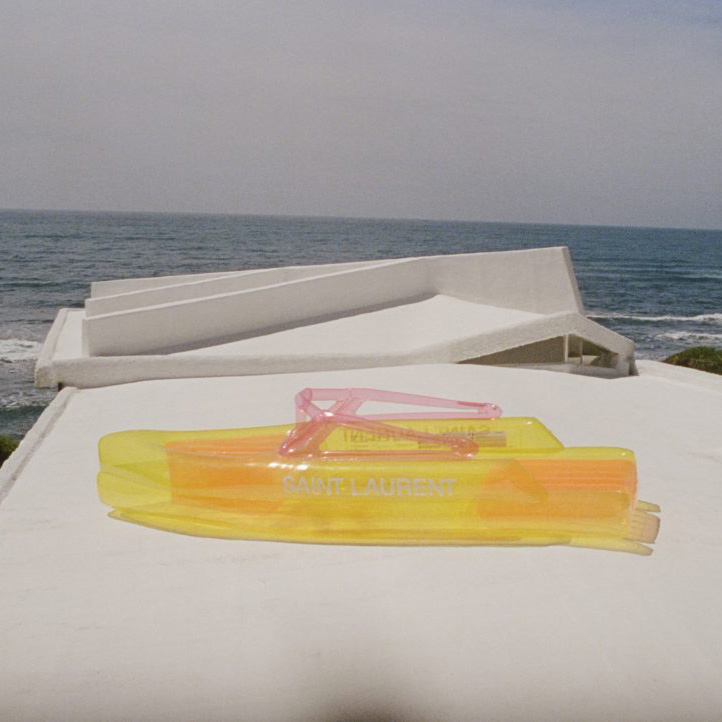
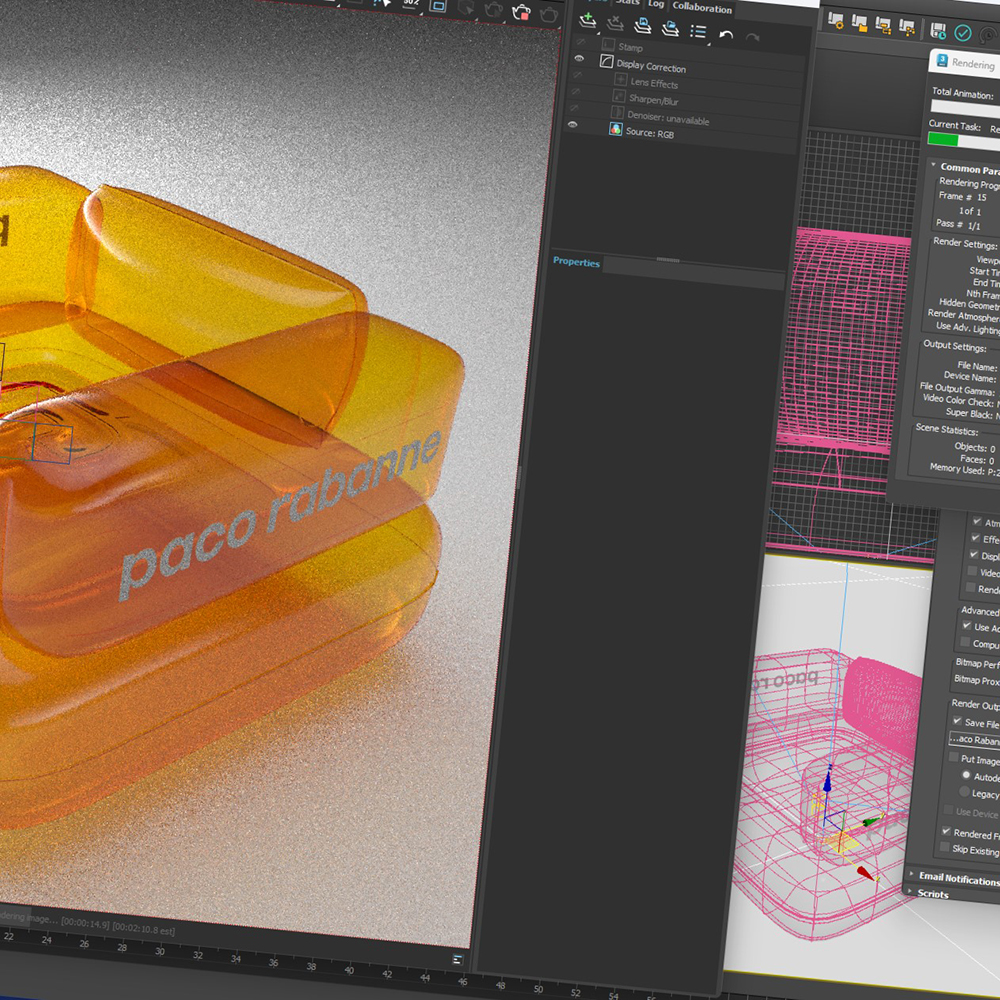
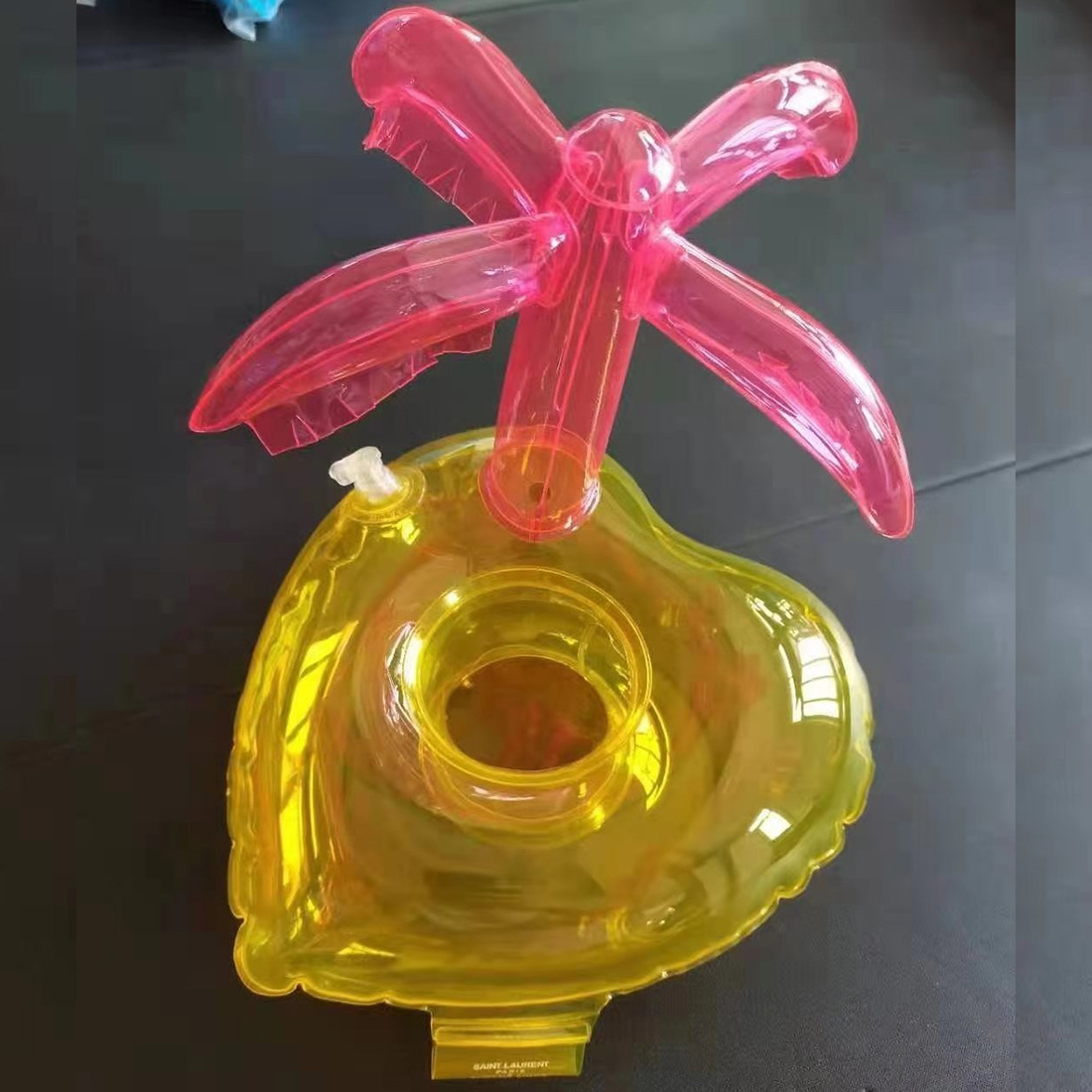
Custom inflatable products also opened the door to collaborations with fashion and lifestyle brands, where the visual language of the product became as important as its physical construction.
* Selected projects developed during my time at Floatie Kings.
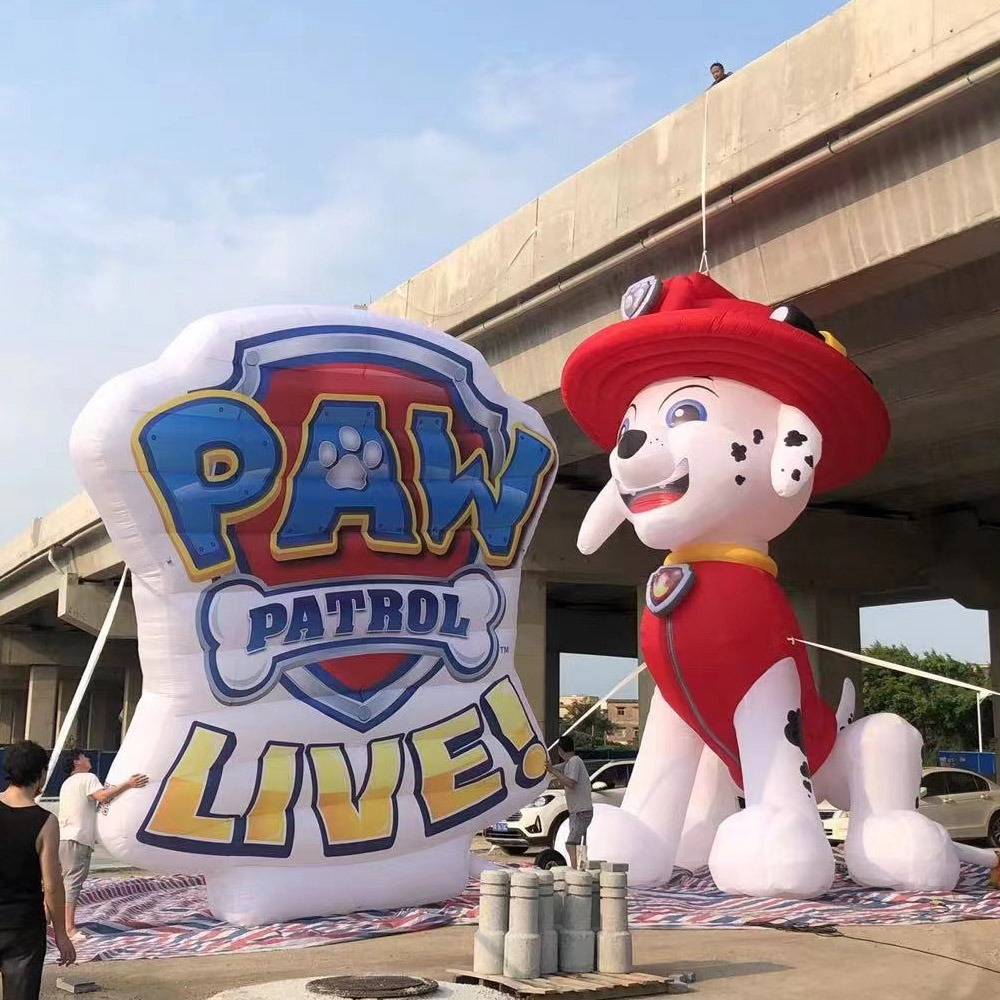
DESIGNING AT SCALE
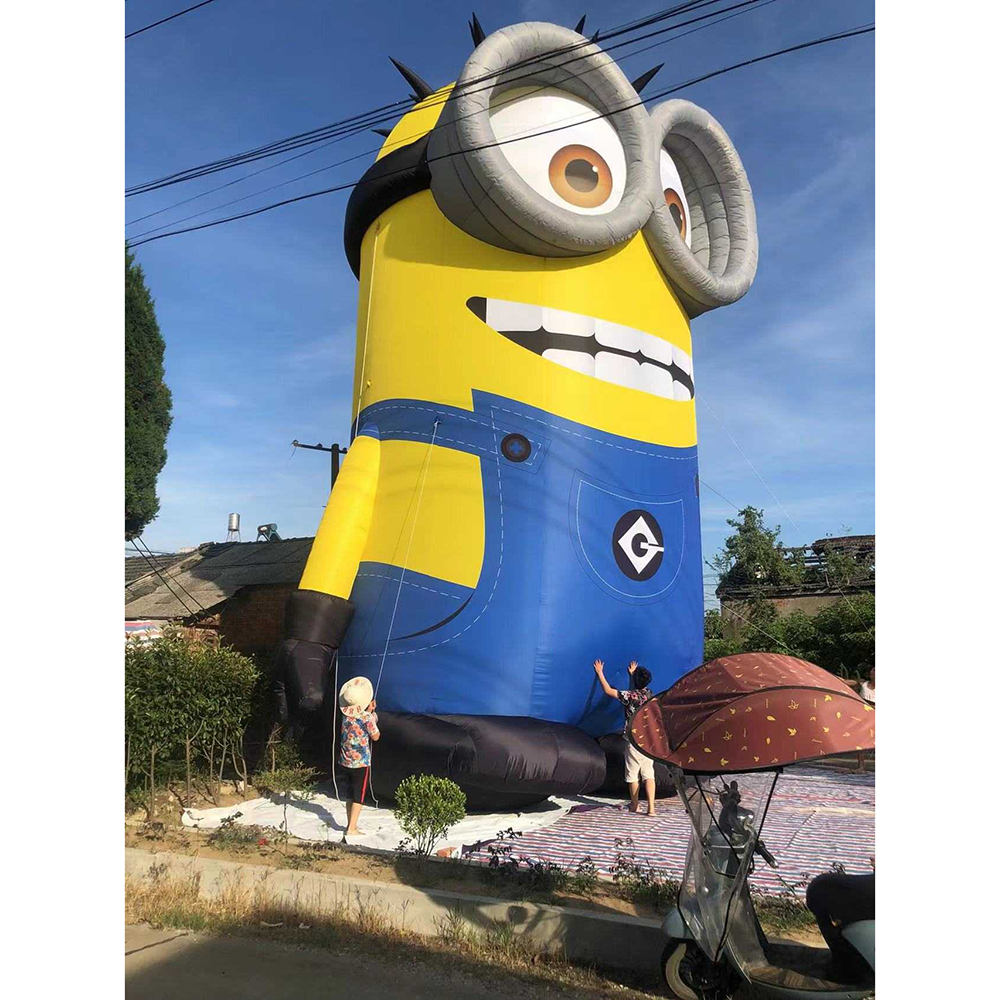
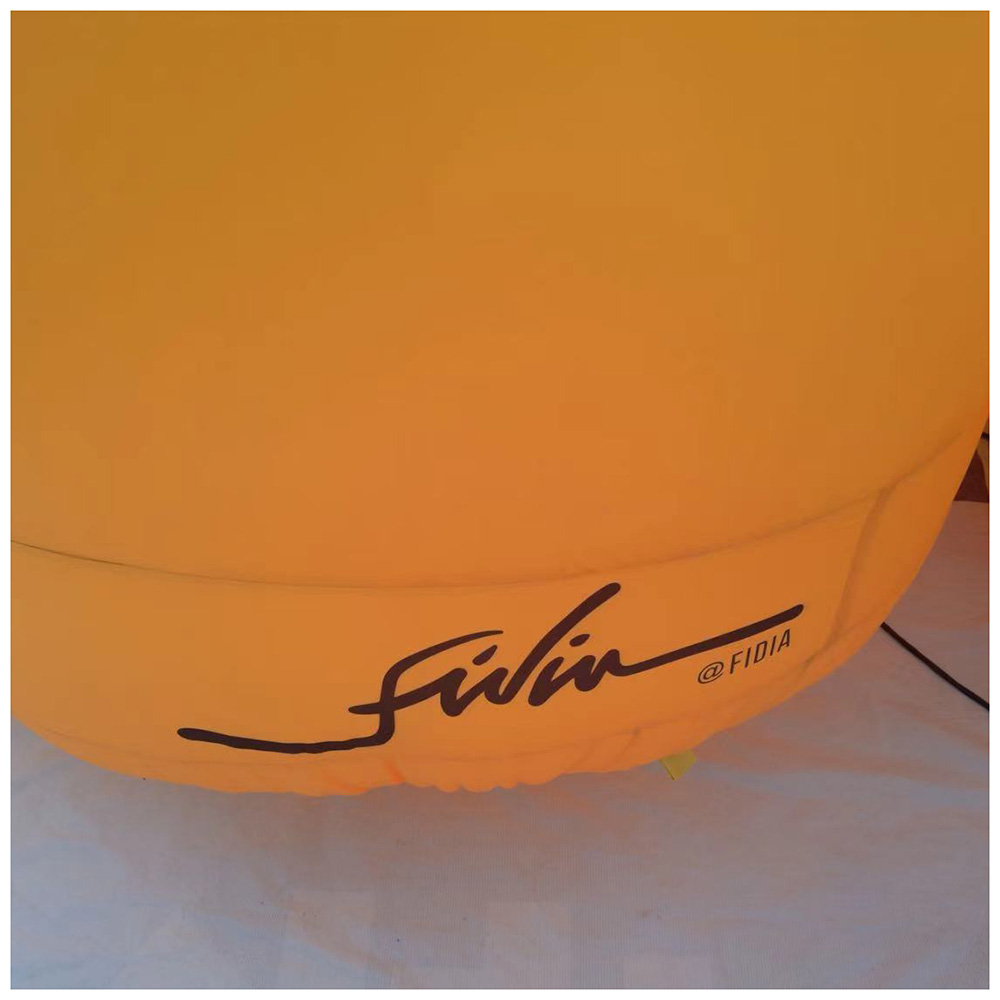
Scale introduces a different set of visual and production challenges. Proportions that work at small scale can behave very differently when a product reaches several meters in height.
Large characters and structures required the same attention to visual fidelity while taking construction, proportions and production limitations into account.
* Selected projects developed during my time at Floatie Kings.
FROM LAYOUT TO FABRICATION
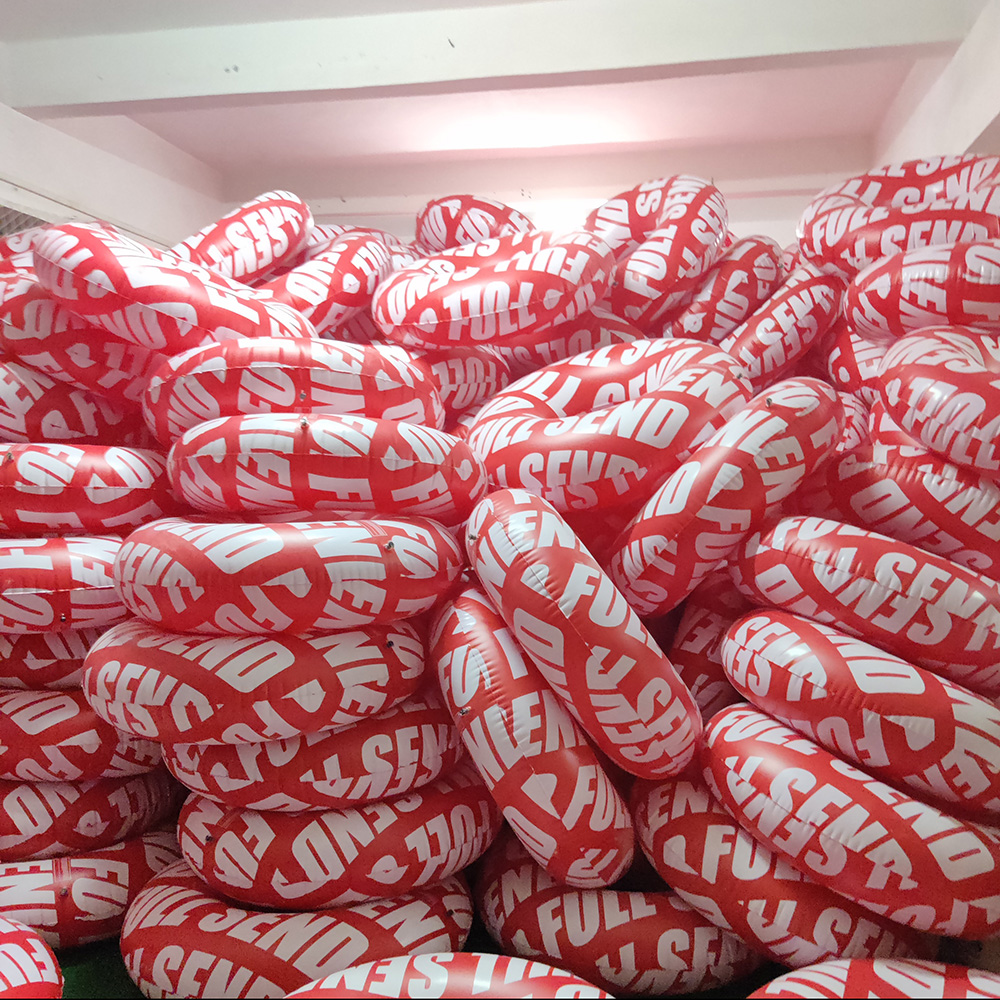
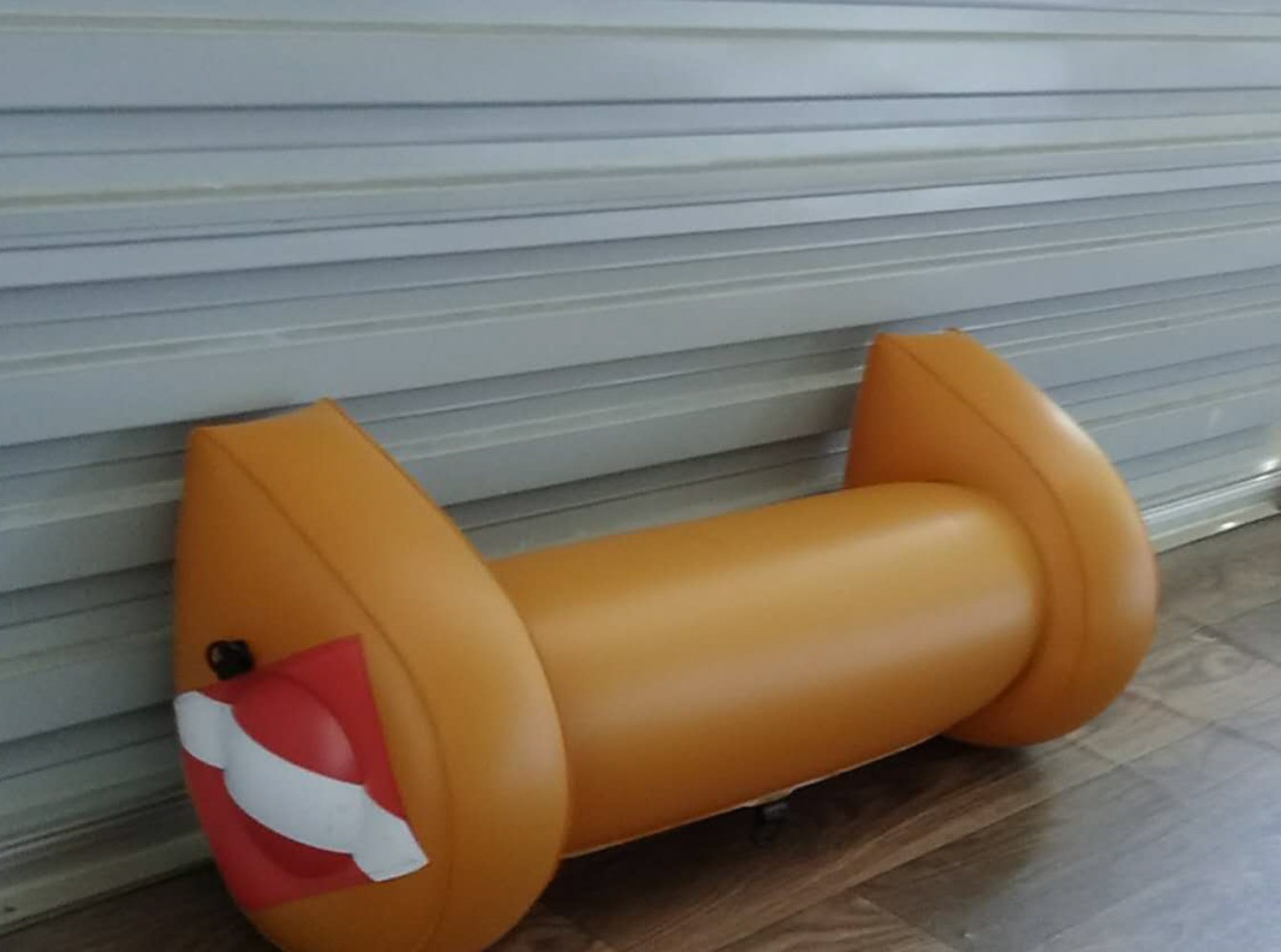
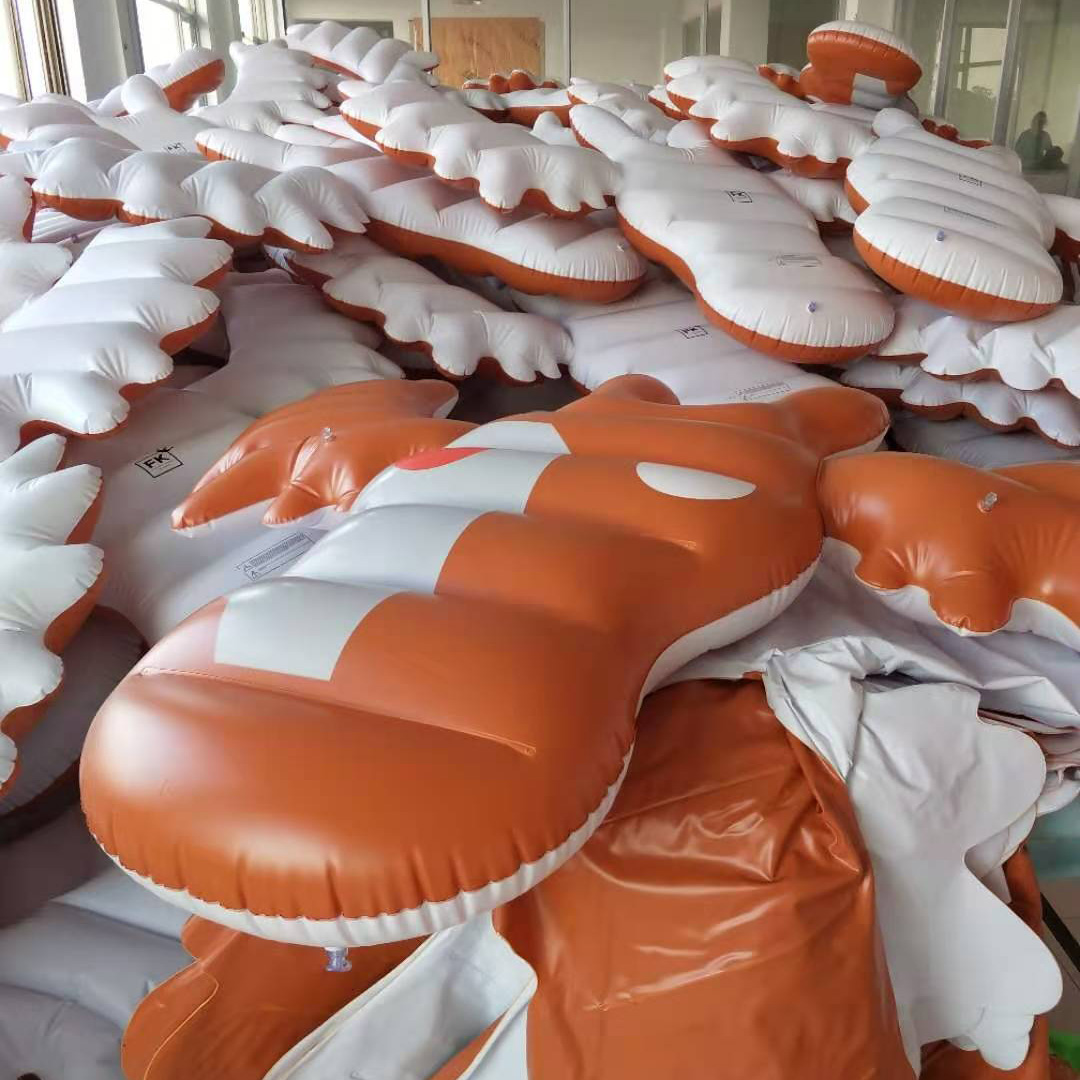
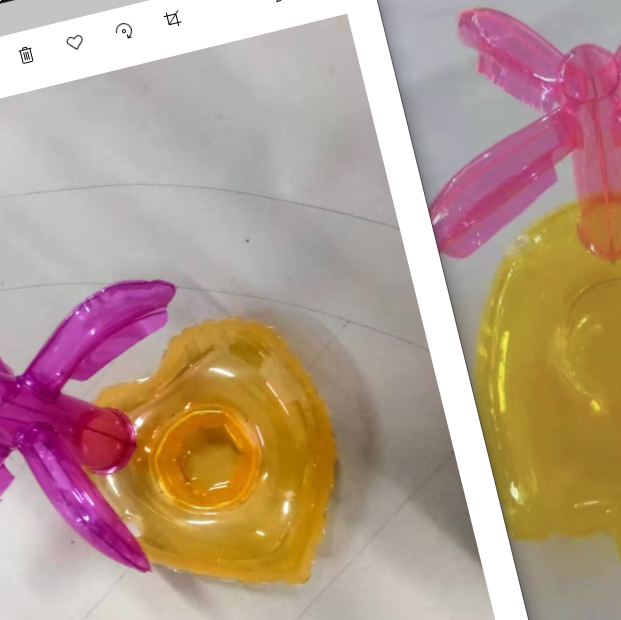
The final test was always physical: did the manufactured product match the approved concept?
When it didn’t, the layout became the reference for identifying what needed to change.
WORKING BETWEEN DESIGN & PRODUCTION
The role sat between different parts of the production chain.
The commercial team needed a clear visual proposal to sell the product.
The client needed to understand what they were approving.
The factory needed precise information to reproduce it.
My role was to keep the visual intent consistent as the idea moved from one stage to the next.
SELECTED PROJECTS
* Selected projects developed during my time at Floatie Kings.
FROM INFLATABLES TO VISUAL DEVELOPMENT
My time at Floatie Kings expanded my role from 3D production into a broader form of visual and product development – connecting design, client communication, production documentation and manufacturing.
The medium was inflatable products, but the underlying skill was broader: taking an idea, making it understandable, making it producible and helping it reach the final result.